Contents:
- Understanding Why Hair Returns to Its Natural Pattern
- Preparation: The Foundation for Overnight Straight Hair
- The Right Straightening Method Makes a Difference
- Pillow Strategy and Sleeping Position
- Nighttime Products That Lock in Straightness
- Humidity Control in Your Sleep Environment
- Common Mistakes to Avoid
- Regional Differences in Approach
- Quick-Fix Strategies for Morning Touch-Ups
- Product Recommendations for Different Hair Types
- Frequently Asked Questions
- Getting Results That Last
What would change about your morning routine if your hair looked freshly straightened when you woke up? Most people with straight hair aspirations face a frustrating reality: the effort invested in straightening gets undone by morning. This guide explores the science and practical methods behind maintaining straight hair through the night, so you can wake up with polished, work-ready hair instead of frizz and waves.
Understanding Why Hair Returns to Its Natural Pattern
Hair structure determines how easily it reverts to its natural state. Each hair strand contains a protein called keratin, arranged in a triple helix formation. When you apply heat or use straightening treatments, you’re temporarily disrupting hydrogen bonds within these proteins. As your hair cools, moisture in the air and natural scalp oils begin re-establishing these bonds, gradually returning your hair toward its original texture and wave pattern.
The challenge intensifies overnight because of several factors working simultaneously. Friction from your pillow creates physical stress on straightened hair, bending it at pressure points. Humidity levels fluctuate, particularly in UK climates where dampness is common. Body heat radiating from your head creates a warm, slightly moist environment—precisely the conditions that encourage hair to revert.
Fine hair straightens more easily but loses the effect faster because the cortex (the innermost layer) contains fewer proteins to hold the altered shape. Thicker, coarser hair holds straightness longer due to increased protein density, typically maintaining results for 12-16 hours without intervention. Medium-textured hair generally falls between these extremes.
Preparation: The Foundation for Overnight Straight Hair
Success starts hours before bedtime. The condition of your hair when you apply straightening treatments dramatically affects how long the results last. Dirty hair actually holds straightness better than freshly washed hair because natural oils provide protective coating, but excessively oily hair won’t straighten evenly. Ideally, straighten your hair 1-2 days after your last wash, when oils have accumulated but buildup hasn’t become excessive.
Pre-straightening treatments act as sealants. Apply a heat protectant spray 10-15 minutes before using any straightening tools. Quality products create a thin silicone or polymer barrier that reduces moisture absorption by approximately 35-40%. Look for sprays containing cyclopentasiloxane or amodimethicone, which won’t flake or leave residue. Budget options cost £3-8, while premium salon brands range from £12-25. The more expensive versions often contain additional proteins that reinforce the hair structure itself.
Protein treatments applied the night before straightening strengthen the cortex, enabling it to hold the straightened shape more persistently. Use a leave-in protein conditioner or overnight mask before your straightening session. Products containing hydrolyzed keratin or collagen work best—these molecules are small enough to penetrate the cuticle. Apply to mid-lengths and ends, avoiding roots to prevent greasiness.
The Right Straightening Method Makes a Difference
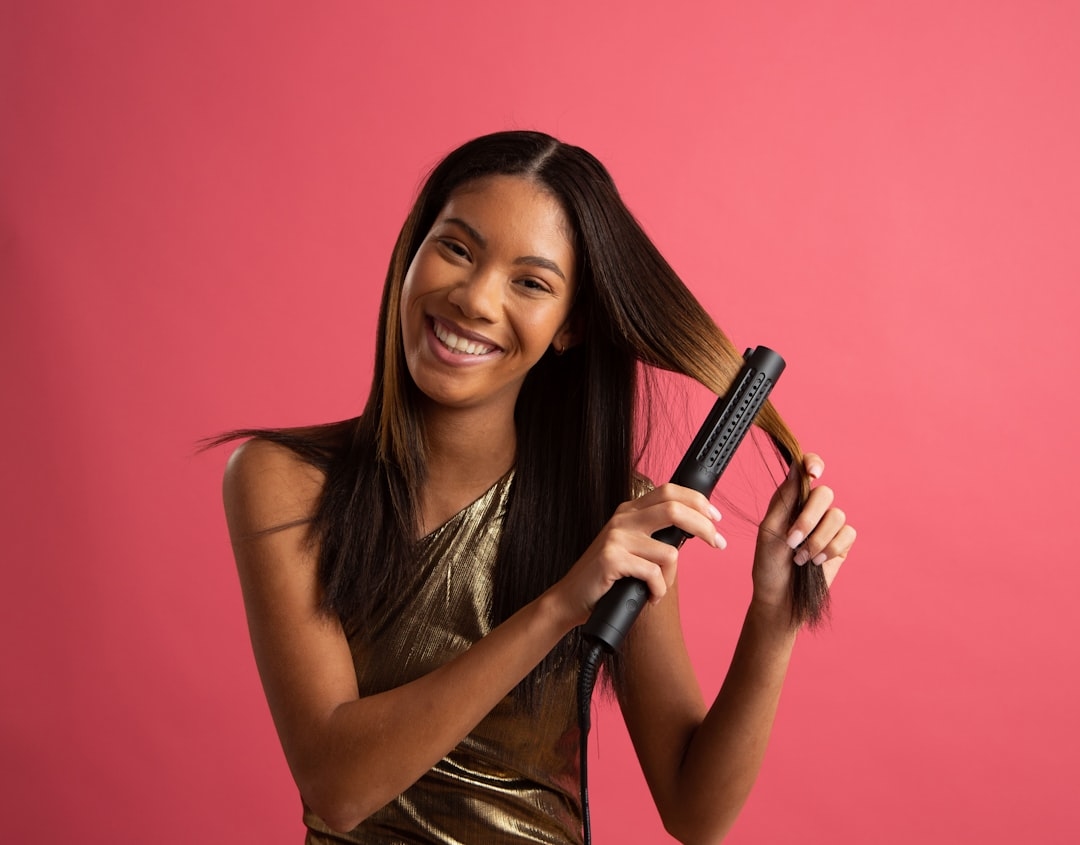
Different techniques produce results with varying longevity. Flat irons heated to 200-230°C straighten most hair types effectively. Higher temperatures (up to 300°C) do straighten faster, but repeated high-heat exposure damages the protein structure, paradoxically making hair less able to hold straightness long-term. For overnight retention, aim for 210-220°C with slow, controlled passes rather than quick, hot passes.
Keratin treatments transform the approach entirely. These semi-permanent treatments chemically alter the hydrogen bonds in your hair. Professional salon treatments cost £80-250 depending on hair length and treatment brand, lasting 8-12 weeks. They genuinely straighten hair rather than temporarily bending it, so the straightness naturally persists overnight—there’s no reverting because the structure itself has changed. This is particularly valuable if you straighten your hair every single day or live in high-humidity regions.
Blow-drying before flat-ironing matters significantly. Many people skip this step, but hair dried to approximately 80% before heat-straightening holds the style much better. The partially dried state means less water needs to evaporate during straightening, creating a more stable set. Use a concentrator nozzle on your blow dryer, directing airflow downward along the hair cuticle to seal it.
Pillow Strategy and Sleeping Position
Your pillow is a primary culprit in overnight hair reversion. Friction from rough cotton or standard pillowcases creates friction points that bend straightened hair. A single night on a regular pillowcase can reduce straightness retention by 20-30%. Silk or satin pillowcases eliminate this problem almost entirely because the smooth surface creates minimal friction. They cost £15-35 for quality versions and will also benefit your skin.
Alternatively, a silk or satin hair wrap worn throughout the night protects the entire head. These wraps (often called hair turbans or bonnets) cost £8-18 and work exceptionally well. They prevent any pillow contact and create a sealed, stable environment. Some people find them uncomfortable initially, but most adjust within 2-3 nights.
Sleeping position influences results despite common myth. You don’t need to sleep upright, but side-sleeping creates more friction than back-sleeping. If you’re a side-sleeper, placing a small silk pillowcase under your head’s contact point helps substantially. Some people use a memory foam pillow adjusted to keep their head slightly elevated, reducing the overall pressure contact between hair and pillow.
Nighttime Products That Lock in Straightness
Anti-frizz serums applied to damp hair before bed coat the cuticle, reducing moisture absorption overnight. Look for products containing argan oil, coconut oil, or silicones. Apply sparingly—about a 10p-sized amount distributed through mid-lengths and ends. Too much product creates greasiness by morning and can add texture. Products like TIGI Bedhead Smoothing Serum (£8-12) or Frizz-Ease products (£6-10) work well on a budget, while premium options like Moroccan Oil (£28-35) provide additional conditioning benefits.
Hair oils create a protective barrier that prevents moisture from entering the hair shaft. Lightweight oils like argan or jojoba absorb into the cuticle without sitting on the surface. Apply these to damp hair before sleep, allowing them to dry slightly. Coconut oil works brilliantly but requires more careful application—use only on the lower half of your hair to avoid scalp greasiness.
Overnight hydrating masks formulated for straight hair maintenance provide moisture balance without encouraging reversion. These differ from deep conditioning masks designed to add volume or curl pattern. Look for products specifically labeled for straight or smoothed hair. Olaplex Hair Perfecting Treatment (£24-30) and Kérastase Elixir Ultime Argan Oil (£18-22) excel here.
Humidity Control in Your Sleep Environment
Humidity is perhaps the overlooked variable in overnight hair retention. UK homes often experience 55-75% humidity, which significantly exceeds the 40-45% level where hair remains most stable. Dehumidifiers cost £80-300 for quality bedroom-sized units, but even a modest one reducing humidity to 50% improves overnight straightness by an estimated 15-25%.
More affordable approaches include keeping your bedroom window closed at night if the outdoor air is humid, or using moisture-absorbing products like silica gel packs near your bed (£5-8 for a set). Ensuring adequate ventilation paradoxically helps too—poor air circulation creates stagnant, humid pockets directly around your head.
Seasonal variations matter. During autumn and winter, UK heating systems dry out indoor air, which actually helps maintain straightness. Summer months and early spring, when outdoor humidity climbs, require more aggressive strategies. Southern coastal areas and the West of England experience 20-30% higher humidity than inland regions, so residents in these areas benefit most from silk pillowcases or hair wraps.
Common Mistakes to Avoid
Using heat protectant spray immediately before straightening, then applying products afterward, reverses the protective effect. Always apply protectant first, straighten, then allow hair to cool completely before applying finishing serums. The cooling process seals the cuticle; disrupting this with products re-opens it.
Over-straightening in attempts to “make it last longer” damages hair and produces the opposite effect. Once hair is perfectly straight at 210-220°C, additional passes don’t extend retention—they only increase damage that weakens the protein structure. One slow, controlled pass per section is optimal.
Applying products to wet hair before sleep is counterproductive. Water is the main driver of reversion. Dry your hair completely after any overnight product application, or apply products only to damp (not wet) hair, allowing them to dry naturally. This typically takes 20-30 minutes.
Neglecting the ends creates a weak point where reversion begins. The ends of your hair are oldest and most porous—they absorb moisture fastest and revert first. Concentrate equal product application and straightening time on the final 5-8 centimetres of each section.
Regional Differences in Approach
Climate variations across the UK substantially affect straightening retention strategies. The Northeast and Scotland experience cooler temperatures and higher humidity levels, particularly autumn through spring. Residents here benefit most from leave-in protein treatments and satin pillowcases, as the natural environment actively works against straightness.
The Midlands and South experience more moderate conditions. Standard straightening with silk pillowcases typically maintains results adequately. However, during humid summer months, even here, additional steps like anti-frizz serums become valuable.
Southern coastal areas and the Southwest Coast have the most challenging conditions year-round due to consistent maritime humidity. Residents frequently report that straightness lasts only 8-10 hours without intervention. Here, semi-permanent keratin treatments become genuinely cost-effective, as daily straightening with typical methods requires more products and daily styling effort.
Quick-Fix Strategies for Morning Touch-Ups
If straightness has wavered slightly overnight, you needn’t re-straighten your entire head. Light misting with water-resistant hairspray (not standard hairspray) and a quick 30-second pass with a flat iron at 180°C refreshes the style. This takes two minutes and uses minimal heat.
Dry shampoo applied to slightly crimped areas absorbs oils and reduces visible texture, making hair appear straighter even if gentle waves have formed. Batiste or Tresemmé versions cost £2-4 and work effectively for this purpose.
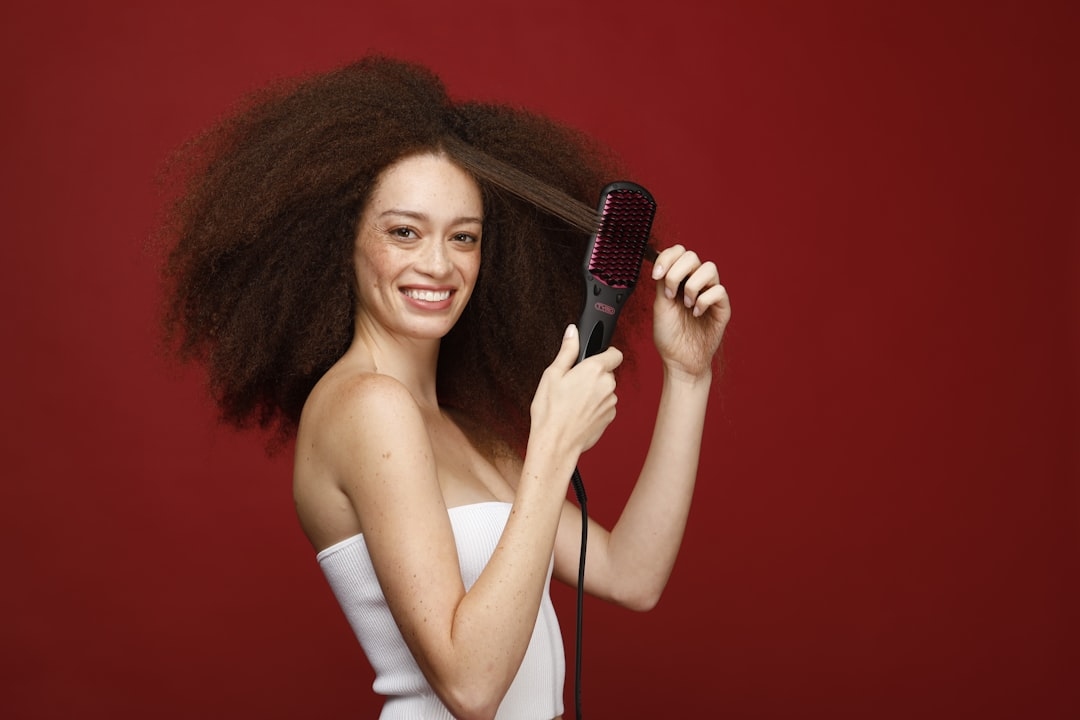
If you have genuine waves forming, a hand-held straightening brush (rather than a flat iron) provides quicker touch-ups on localized areas. These cost £15-35 and are easier to maneuver for quick fixes than traditional flat irons.
Product Recommendations for Different Hair Types
Fine, straight hair prone to falling flat benefits from lightweight oils like jojoba or babassu. Avoid heavy coconut oil or silicone-heavy serums. Olaplex No. 7 Bonding Oil (£28) and SheaMoisture Raw Shea Butter Restorative Elixir (£8) work well.
Medium-textured hair accommodates a wider product range. Moroccan oil, argan oil-based serums, and standard anti-frizz products all perform well. The budget-friendly SoS Elixir (£6) from any pharmacy works reliably here.
Thick, coarse hair requires heavier products that adequately coat the increased surface area. Coconut oil, heavier silicone serums, and protein treatments provide better results than lightweight options. Carol’s Daughter Black Vanilla Moisturizing Hair Oil (£16-20) and SheaMoisture Coconut and Hibiscus products work excellently.
Frequently Asked Questions
How long does straightened hair naturally stay straight?
Without any protective measures, straightened hair typically reverts within 8-12 hours depending on humidity, hair type, and thickness. Fine hair reverts faster (6-10 hours), while thick hair may maintain straightness for 12-16 hours. Protective measures extend this significantly—a silk pillowcase alone adds 3-5 hours of retention.
Can I straighten my hair every night without damage?
Daily heat-straightening causes cumulative protein damage. Hair becomes progressively drier, more prone to breakage, and paradoxically less able to hold straightness. Limit daily straightening to 4-5 days per week, or consider semi-permanent treatments for straighter results without daily heat exposure. Alternating with air-drying or gentle styling methods allows your hair protein structure to recover.
Is a keratin treatment worth it for maintaining straightness overnight?
If you straighten your hair daily or every other day, keratin treatments pay for themselves within 6-8 weeks by eliminating daily styling time and heat damage. At £80-250 per treatment lasting 8-12 weeks, you’re essentially paying £0.20-0.45 per day. Compare this to daily flat iron use costing in electricity, heat protectant, and potential hair damage—treatments become economically sensible for frequent users.
What humidity level preserves straightness best?
Hair remains most stable at 40-45% relative humidity. Between 50-60%, reversion accelerates noticeably. Above 65% humidity, straightness deteriorates rapidly. Most UK homes range 55-75% depending on season and ventilation. Reducing humidity from 70% to 55% using a dehumidifier extends straightness retention by an estimated 25-35%.
Do silk pillowcases really make a difference?
Yes—measurably. Silk reduces friction by approximately 70% compared to standard cotton pillowcases. This translates to roughly 3-5 additional hours of straightness retention and less stress on the hair cuticle. At £15-25 per pillowcase, they’re one of the most cost-effective investments for overnight straightness maintenance.
Getting Results That Last
Maintaining straight hair overnight combines several strategies working together rather than relying on any single method. The most effective approach starts with proper straightening technique (210-220°C, slow passes, protected hair), continues with a silk pillowcase or hair wrap, and incorporates appropriate overnight products matched to your specific hair type and local climate.
Your regional location influences which strategies matter most. Northwest and Scottish residents benefit from aggressive moisture management, while Southern coastal dwellers may find semi-permanent treatments more practical than daily maintenance. Regardless of location, consistent use of heat protectant sprays and lightweight overnight serums provides baseline improvement.
Start implementing one new strategy at a time to identify what produces the greatest improvement for your specific hair and circumstances. Most people discover that silk pillowcases combined with anti-frizz serum deliver 60-70% of the benefits of comprehensive strategies at just 20% of the cost and effort. From there, additional measures like humidity control or protein treatments add incremental improvements based on your specific needs and budget.