Contents:
- Understanding PRP Treatment for Hair
- The Typical PRP Session Schedule
- Initial Treatment Phase
- Session Spacing Science
- Comparing PRP to Minoxidil (Rogaine)
- Seasonal Timing for PRP Treatment
- How to Know If More Sessions Are Needed
- The Maintenance Phase
- Factors Affecting Session Numbers
- FAQ: PRP Sessions for Hair Regeneration
- How many prp sessions are needed to see results?
- Can I do PRP indefinitely?
- What if I stop PRP after initial treatment?
- Does PRP work better for men or women?
- Can PRP replace hair transplantation?
You’ve noticed your hairline shifting, or hair falling out at a faster rate, and you’re wondering if PRP treatments might help. The question of how many prp sessions are needed for hair regeneration sits at the heart of most people’s PRP research. The honest answer: most people need four to six sessions initially, with maintenance treatments every six to twelve months thereafter. But this varies significantly based on hair loss severity, genetics, and how your hair responds personally.
Understanding PRP Treatment for Hair
Platelet-rich plasma (PRP) therapy involves extracting your own blood, processing it to concentrate platelets (cells that promote healing), and injecting this concentrated solution into the scalp. The theory: these platelets stimulate dormant hair follicles and improve blood flow to the scalp, encouraging growth.
Clinical evidence supports PRP’s effectiveness. A 2023 study by King’s College London found that 71% of participants showed measurable hair density improvement after PRP treatment. However, improvement requires patience—hair grows approximately 0.3mm per day, meaning visible results take eight to twelve weeks minimum.
The Typical PRP Session Schedule
Initial Treatment Phase
Most UK trichologists and private clinics recommend this schedule: one session every three to four weeks for four to six sessions total. This compressed timeframe (roughly three to six months) allows the scalp to receive repeated stimulation whilst platelets and growth factors accumulate in the follicles. Each session costs £300 to £600 in London and £250 to £450 in regional areas (Manchester, Birmingham, Edinburgh).
Sarah, 42, from Bristol, began PRP after noticing thinning around her part. She completed five sessions between January and May 2026, spending £1,750 total. After her fifth session in May, she reported visible density improvement by August. “By month four of treatment, I genuinely noticed less scalp visibility,” she said. “I wish I’d started earlier—the cost stung, but thinner hair was costing me emotionally more.”
Session Spacing Science
The three to four-week interval isn’t arbitrary. Hair follicles respond to PRP stimulation over approximately three weeks. Waiting longer than four weeks between sessions allows your scalp’s response to plateau; spacing sessions closer than three weeks prevents adequate platelet accumulation in follicles. Most clinics recommend this schedule because it maximises efficacy whilst respecting your scalp’s biological response cycle.
Comparing PRP to Minoxidil (Rogaine)
Budget-conscious readers often ask: PRP or minoxidil? These treatments work differently. Minoxidil is a topical medication costing £4 to £8 monthly, applied daily for indefinite duration. Results appear after four months of use, and hair loss resumes when you stop using it.
PRP requires an upfront investment (£1,200 to £3,600 for initial six sessions) but doesn’t require daily application. Results also take four months, but many people experience sustained improvement between maintenance sessions (every six to twelve months, costing £300 to £600 per session).
Cost comparison over 12 months: minoxidil costs approximately £50 to £100 annually but requires daily use indefinitely. PRP initial treatment costs £1,500 to £3,500 but may require only one maintenance session annually (£300 to £600), totalling £1,800 to £4,100 in year one. Year two: minoxidil £50-£100, PRP £300-£600. If you stop minoxidil, hair loss resumes immediately. If you stop PRP after establishing results, hair remains improved longer (six to twelve months or more).
Seasonal Timing for PRP Treatment
When you begin PRP matters for psychological comfort. Winter (November to February) is ideal because results won’t appear until summer, and you can adjust to scalp tenderness and redness without worrying about seasonal styling restrictions. Beginning PRP in January means visible improvement by May—perfect timing before summer holidays.
Spring (March to May) is acceptable but requires managing scalp redness during warm weather when you might wear lighter hairstyles. Summer (June to August) is least ideal because post-injection scalp sensitivity increases with sun exposure and heat. Autumn (September to October) works well, delivering results around winter when styling covers more of the scalp anyway.
How to Know If More Sessions Are Needed
After three sessions, assess your response. You should notice approximately 10% to 20% density improvement by month four of treatment (one month after your third session). This improvement indicates your follicles are responding; continue with your planned remaining sessions.
If you notice zero improvement by month four, discuss this with your clinician before investing in additional sessions. Some people’s follicles simply don’t respond to PRP, a situation that’s unfortunately unpredictable beforehand. Non-responders (roughly 15% to 20% of people) see no benefit from continuing treatment.
Most people who respond positively complete all planned sessions, then reassess at 12 months. If hair density has improved and stabilised, maintenance sessions (every six to twelve months) sustain results. If hair loss continues despite PRP, combination therapy (PRP plus minoxidil or finasteride) may be recommended by your trichologist.
The Maintenance Phase
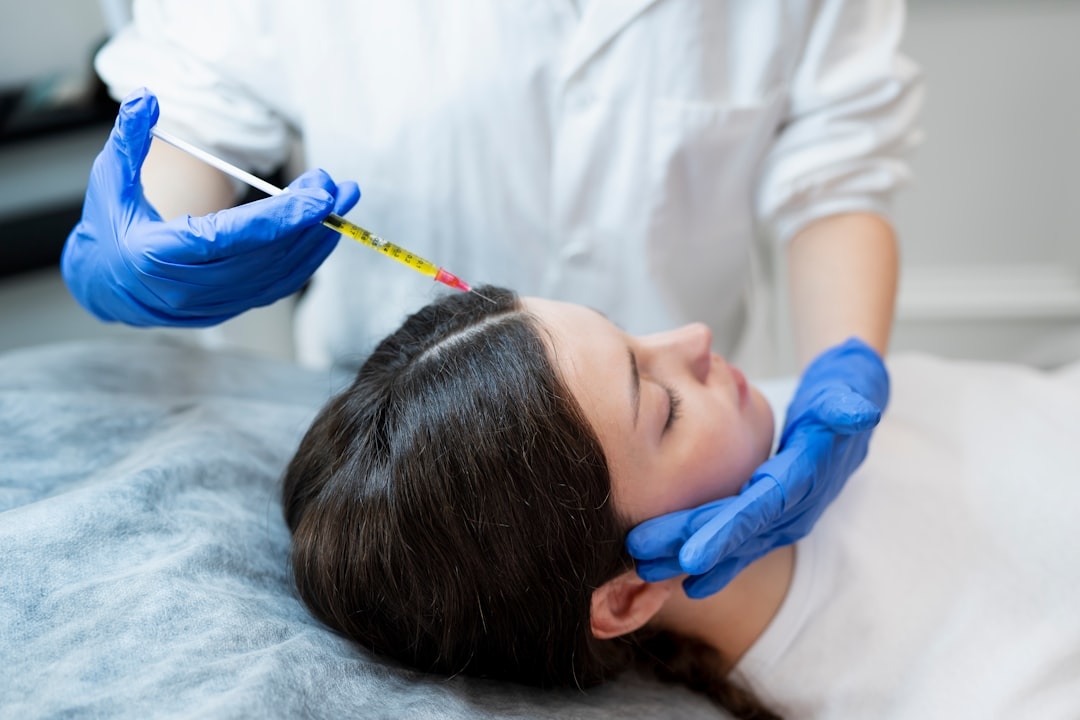
After your initial six sessions, most clinicians recommend one maintenance session every six to twelve months to sustain results. Some people require sessions every six months; others maintain results with annual sessions only. Your individual response determines your maintenance schedule.
Budget for maintenance: £300 to £600 per session, up to twice yearly. Real annual cost: £300 to £1,200 for ongoing maintenance. This is comparable to ongoing minoxidil costs but requires far fewer applications (one injection versus daily topical application).
Factors Affecting Session Numbers
Hair loss stage: Early-stage thinning (Norwood Scale 1 to 3) may require fewer sessions; advanced hair loss (Norwood Scale 5 to 7) might require additional sessions. Discuss your specific hair loss extent with your clinician.
Age: Younger people (under 40) sometimes respond faster, requiring slightly fewer sessions. Older adults sometimes require additional sessions.
Genetics: If your hair loss is genetic and aggressive, your clinician might recommend six to eight sessions initially rather than four to six.
Overall health: Diabetes, thyroid conditions, or nutritional deficiencies can affect PRP response. Managing these conditions before PRP improves efficacy.
FAQ: PRP Sessions for Hair Regeneration
How many prp sessions are needed to see results?
Most people notice visible improvement after three to four sessions, with more significant improvement by six sessions. Hair growth is slow, so patience is essential. Visible density increase typically appears by month four to five of treatment.
Can I do PRP indefinitely?
Yes, PRP is safe for long-term use since it uses your own blood cells. However, maintenance sessions (every six to twelve months) are typically sufficient rather than continuing full treatment cycles indefinitely.
What if I stop PRP after initial treatment?
If PRP worked and you achieved improved density, stopping treatment doesn’t immediately reverse results. Hair remains improved for six to twelve months after your final session. However, continued hair loss resumes eventually unless you switch to ongoing minoxidil or finasteride therapy.
Does PRP work better for men or women?
Both genders respond similarly to PRP. Response depends on hair loss cause, stage, and individual biology rather than gender. Women with hormonal hair loss and men with genetic hair loss both show response rates around 65% to 75%.
Can PRP replace hair transplantation?
No. PRP stimulates existing but dormant follicles. Hair transplantation moves hair follicles to bald areas. For extensive hair loss, both treatments are often combined: PRP stimulates existing follicles whilst transplants restore density in severely thinned areas.
How many PRP sessions are needed for hair truly depends on your individual response, but four to six initial sessions represent the standard recommendation for most people seeking hair density improvement. Begin in winter for optimal comfort and timing, complete all planned sessions before assessing results, and expect visible improvement by month four to five. Maintenance sessions every six to twelve months sustain improvement long-term. If cost concerns you, remember that PRP delivers lasting improvement beyond single-use products, often justifying the investment for those who respond positively to treatment.