Contents:
- Understanding Frontal Hair Thinning in Women
- How to Hide Thinning Hair in the Front: Hairstyle Solutions
- Layered Cuts with Movement
- Side-Swept Styling
- Texture-Based Styles
- Fringe Options
- Products That Create Texture and Volume
- Volumising Powders and Fibres
- Texturising Sprays and Dry Shampoo
- Volumising Mousses and Styling Creams
- Hair Density-Building Treatments
- Minoxidil (Rogaine)
- Nutritional Support
- Low-Level Laser Therapy (LLLT)
- Colour and Highlighting Strategies
- Darker Roots
- Lowlights and Dimension
- Darker Overall Colour
- Practical Daily Strategies for Thin Hair in Small Spaces
- Strategic Blow-Drying
- Washing Frequency
- Scalp Care
- Sleep Positioning
- What to Avoid When Hiding Thinning Hair
- Frequently Asked Questions
- Can you hide thinning hair permanently?
- How long does hair thickening powder last throughout the day?
- Is minoxidil safe for women to use?
- Do hair volumising shampoos actually work?
- How quickly can styling changes make thinning hair look fuller?
You’re standing in front of the mirror, running your fingers through the front section of your hair, and you can feel the scalp underneath. The hairline feels thinner than it used to, or perhaps the volume around your temples has noticeably decreased. It’s a moment many women face in their 30s, 40s, or beyond—and it doesn’t mean you’re out of options.
Thinning hair at the front is one of the most visible forms of hair loss, which is why it bothers many women so acutely. Unlike thinning at the crown, which can be hidden by styling alone, frontal thinning affects the frame of your face and can feel impossible to disguise. The good news: there are proven techniques, styling methods, and products that genuinely work to make thinning hair look fuller and healthier.
Understanding Frontal Hair Thinning in Women
Frontal thinning typically manifests in two ways. The first is a receding hairline, where the hair at the very front edge pulls back slightly, widening the forehead. The second is overall volume loss across the front section—your hairline remains in place, but fewer strands create a wispy, see-through appearance.
Women experience frontal thinning for several reasons. Female pattern hair loss (androgenetic alopecia) accounts for approximately 40% of hair loss cases in women in the UK, with research from the British Association of Dermatologists showing it often begins between ages 35 and 45. Hormonal shifts, nutritional deficiencies (particularly iron and vitamin D), stress, and certain medical conditions like thyroid disorders all contribute to visible thinning at the front.
The distinction matters because your approach to hiding thinning hair depends on the specific pattern. A receding hairline requires different styling strategies than diffuse volume loss across the front.
How to Hide Thinning Hair in the Front: Hairstyle Solutions
Your hairstyle is your most powerful tool. The right cut and styling approach can instantly add perceived volume and redistribute hair to camouflage thin areas.
Layered Cuts with Movement
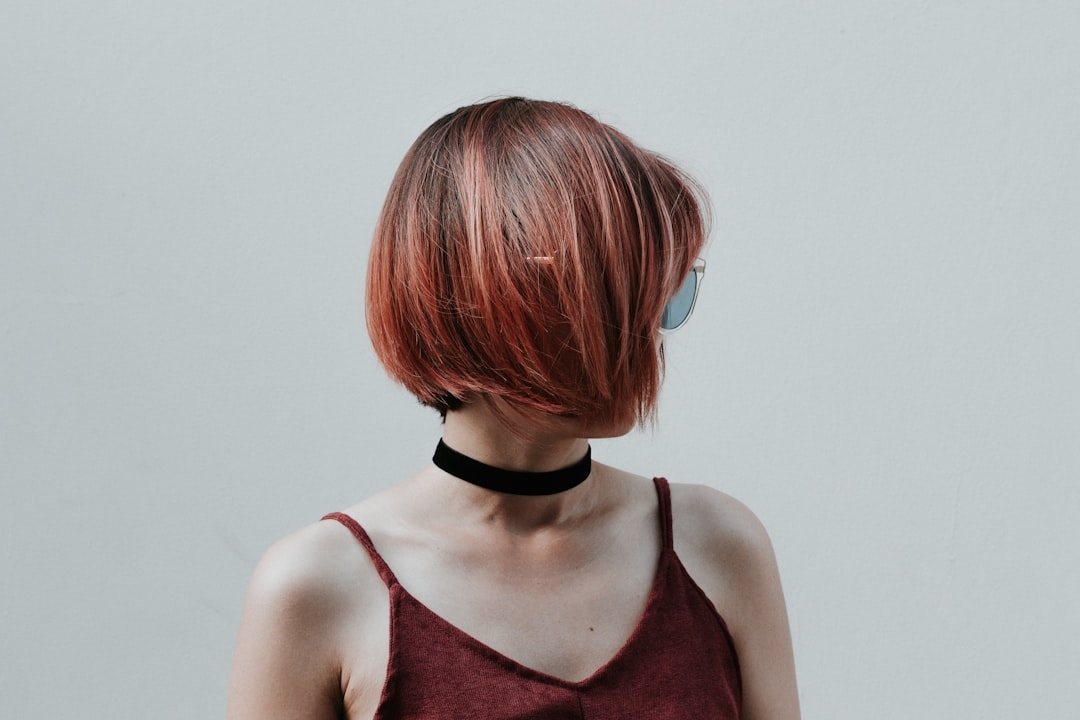
Blunt, heavy cuts concentrate all your hair in one dense line, which paradoxically makes thin hair look thinner. Layered cuts work differently. Layers create texture, separation, and the illusion of density. Ask your stylist for face-framing layers that start around cheekbone height and progress longer as they move back. This technique brings volume to the front without requiring you to grow your hair long.
Specific measurement: layers cut at 2-3 cm intervals create more texture than layers spaced 5 cm or more apart. The tighter spacing creates movement.
Side-Swept Styling
A deep side parting moves hair across the top of your head, covering thinner areas at the front and temples. This works especially well for receding hairlines or thinning at the temples. The hair that sweeps across acts as camouflage, creating visual density where there actually isn’t much volume.
Style your hair to one side, secure it loosely with a clip or bobby pins, and let the longer section sweep over the front. This works on any hair length and requires no special products—just a few pins and 30 seconds of styling.
Texture-Based Styles
Straight hair clings to the scalp, revealing thinness more obviously. Wavy, curly, or textured styles create visual density. Waves trap air between strands, making hair appear fuller. Curls occupy more space. Even a slight wave pattern, achieved through a salt spray or light wave mousse, adds perceived volume to thinning front sections.
This regional difference matters: stylists in London and Southern England tend to recommend sleeker finishes, while salons across Manchester and the Midlands more frequently suggest texture-based approaches for thinning hair, reflecting different climate humidity levels and styling preferences.
Fringe Options
A fringe (or bangs) placed strategically can completely disguise a receding hairline or thinning hairline. A full fringe works, but a side-swept or textured fringe offers more modern styling flexibility. The fringe hair itself covers the thin area while the texture creates volume rather than a flat, plastered appearance.
Speak to your stylist about a fringe that’s layered and slightly choppy rather than blunt. Blunt fringes require dense hair to look good; layered fringes work with thinner hair.
Products That Create Texture and Volume
The right products transform hair texture and add perceived thickness without requiring harsh chemicals or damaging treatments.
Volumising Powders and Fibres
Hair thickening powders (also called volumising powders or hair fibres) coat individual strands and swell them slightly, increasing their diameter. Products like Toppik, DermMatch, or budget-friendly alternatives from Superdrug cost £8-25 per bottle and typically last 3-4 months with regular use.
Application takes 60 seconds: sprinkle the powder onto thin areas at the front, particularly around the hairline and temples, and gently tap it into place. The powder clings electrostatically to existing hair, creating visible density. It washes out completely with shampooing.
What the Pros Know: Professional hairstylists often apply volumising powder to the roots of the front section before styling. The powder sits at the base of thin strands, lifting them away from the scalp and creating a fuller silhouette. This technique requires no special skill—anyone can replicate it in their bathroom.
Texturising Sprays and Dry Shampoo
Texturising sprays add grit to hair, which prevents strands from lying flat and clinging to the scalp. Dry shampoo serves a dual purpose: it absorbs oil (making hair look fresher) and adds texture. Applying dry shampoo to the roots of your front section creates separation and volume.
Spray a light mist onto dry hair at the roots, let it sit for 2 minutes, and then use your fingers to gently ruffle the hair upward. The combination of texture and lift disguises thinness remarkably well.
Volumising Mousses and Styling Creams
Mousses add body without weight. Unlike heavy styling serums or oils, mousses contain air and create lift. Apply mousse to damp roots at the front, then blow-dry upward and backward to create volume at the base. This technique, simple as it sounds, transforms how hair sits on thin areas.
Styling creams (sometimes called texture creams or sea salt creams) add hold and texture simultaneously. They’re particularly useful for creating waves or texture that disguises thinness.
Hair Density-Building Treatments
Beyond cosmetic techniques, certain treatments genuinely increase hair density over time.
Minoxidil (Rogaine)
Minoxidil is the only over-the-counter treatment clinically proven to regrow hair and slow hair loss in women. Available under brand names like Rogaine or Spectral DNC (from UK suppliers like Superdrug and Boots), it costs £25-40 per month. You apply it topically to thinning areas twice daily.
Results take time: expect to see changes after 4-6 months of consistent use. Clinical trials show that 40% of women using minoxidil experience moderate to significant regrowth, whilst 40% experience stabilisation (stopping further loss). It’s not a quick fix, but it works.
Nutritional Support
Hair density depends on adequate micronutrient intake. Iron deficiency particularly affects women and frequently causes or worsens hair thinning. A simple blood test from your GP can confirm iron levels. If deficient, iron supplementation (around £8-15 per month for ferrous sulphate supplements) can restore density within 3-4 months.
Biotin, vitamin D, and zinc also support hair health. Whilst studies on supplementation show mixed results for people without deficiencies, ensuring adequate levels of these nutrients supports overall scalp health and may reduce shedding.
Low-Level Laser Therapy (LLLT)

LLLT devices like the HairMax LaserComb or similar products (£200-600) use red light wavelengths to stimulate hair follicles. Research from clinical dermatology journals shows mixed but promising results, with some users reporting improved density after 6-12 months of regular use.
It’s not as established as minoxidil, but dermatologists increasingly recommend it as a supplementary treatment, particularly for women who can’t tolerate minoxidil’s side effects.
Colour and Highlighting Strategies
Colour creates the illusion of density through contrast and shadow.
Darker Roots
Darker roots create a visual foundation that makes hair appear thicker overall. Roots that match your base colour create density, whilst visible light regrowth emphasises thinness at the scalp. If you colour your hair, maintain your roots every 4-6 weeks. The small investment (£15-30 at most UK salons for root touch-ups) creates significant visual improvement.
Lowlights and Dimension
Subtle lowlights (darker strands woven through your natural colour) create shadow and dimension that disguises thinness. Lowlights require less maintenance than highlights and work on any base colour. A single session at a professional salon costs £40-80, but the effect lasts 8-12 weeks before fading gradually.
Darker Overall Colour
Lighter colours absorb light, making thin areas more visible. Darker colours reflect light less, creating a denser appearance. This doesn’t mean you must dye your hair, but if you’re considering a change, darker shades genuinely hide thinness better than lighter ones.
Practical Daily Strategies for Thin Hair in Small Spaces
If you live in a small flat or limited space, maintaining fuller-looking hair requires practical approaches that don’t demand a professional salon environment.
Strategic Blow-Drying
Blow-drying is non-negotiable for managing thinning hair. Here’s why: air-dried hair clings to the scalp under its own weight, emphasising thinness. Blow-drying lifts hair away from the scalp, creating volume. Use a round brush or paddle brush to direct hair away from the front as you dry. Focus heat and airflow on the roots, not the lengths.
You don’t need professional equipment. A standard £20-40 hairdryer with a concentrator nozzle attachment works perfectly. Dedicate 5-10 minutes to blow-drying your front section after washing, directing the airflow slightly backward and upward from the roots.
Washing Frequency
Washing every other day (rather than daily) allows natural oils to accumulate, which adds texture and weight to thin hair. Greasier hair appears fuller. If every-other-day washing feels uncomfortable, compromise: wash your front section lightly whilst co-washing (using conditioner only) the rest of your hair on off-days.
Scalp Care
A healthy scalp supports healthier hair growth. Use a gentle scalp scrub or exfoliating shampoo once weekly (products like Briogeo Scalp Revival or similar range from £8-15) to remove product buildup and promote circulation. Buildup flattens hair; a clean scalp allows hair to stand fuller.
Sleep Positioning
Sleeping on the same side every night can compress hair on that side, worsening thinness over time. Vary your sleep position or sleep on your back to prevent this compression. If you must sleep on one side, use a silk or satin pillowcase (£10-20) which creates less friction and compression than cotton.
What to Avoid When Hiding Thinning Hair
Certain habits and products worsen thinning or make it more visible.
Avoid tight hairstyles. Tight ponytails, buns, and braids pull on thin hair, potentially accelerating hair loss through traction alopecia. If you wear your hair pulled back, keep it loose.
Avoid heavy serums and oils. These weigh hair down, making thinness more obvious. Thin hair needs products that add lift and texture, not weight.
Avoid overheating hair. Excessive heat from blow-dryers, straighteners, or curlers damages thin hair faster than thicker hair. If using heat tools, apply a heat protectant spray first and use medium rather than high heat settings.
Avoid frequent colour changes. Chemical processing damages hair and can accelerate thinning. If you colour, space treatments 8+ weeks apart and use deep conditioning treatments in between.
Frequently Asked Questions
Can you hide thinning hair permanently?
Styling and products hide thinning hair effectively but aren’t permanent solutions. If you stop using volumising powders or styling techniques, thinness becomes visible again. Treatments like minoxidil address underlying hair loss and can produce lasting results, but they require ongoing use. The combination of styling, products, and treatments provides the most reliable approach.
How long does hair thickening powder last throughout the day?
Quality hair thickening powders last 12-16 hours with normal activity. They may shift slightly with friction (from hats, rubbing your head) but don’t wash out from sweat or light rain. They wash out completely with shampooing.
Is minoxidil safe for women to use?
Yes, minoxidil is FDA and MHRA-approved for women and has a strong safety record across decades of use. Side effects are rare; the most common is temporary increased shedding in the first 1-2 months (which then reverses as regrowth begins). If you’re pregnant or breastfeeding, consult your GP before use.
Do hair volumising shampoos actually work?
Volumising shampoos work temporarily by coating hair and adding thickness to individual strands. They don’t regrow hair or create lasting density, but they’re useful alongside other techniques. Look for shampoos with silica or polymer-based thickeners rather than moisturising formulas, which can weigh thin hair down.
How quickly can styling changes make thinning hair look fuller?
Immediately. A layered cut with side-swept styling and a volumising product applied correctly can transform how your thinning hair looks within hours. Styling is the fastest way to see improvement, though it requires consistent application every time you style your hair.