Contents:
- Quick Answer Box: The Essentials
- Why Braiding Matters: More Than Just Aesthetics
- Understanding Hair Structure Before You Braid
- Hair Texture and Braiding Success
- Length Requirements and Limitations
- The Foundation: Your First Three-Strand Braid
- Step-by-Step Basic Braiding
- Troubleshooting Your First Attempts
- Regional Variations: How Technique Differs Geographically
- Advancing Beyond: French and Dutch Braids
- The French Braid: Building from the Roots
- The Dutch Braid: The Inverted Cousin
- Practical Tips for Everyday Success
- Preparation and Tools
- Timing Your Braids
- Managing Flyaways and Loose Strands
- Extending Braid Lifespan Sustainably
- Adapting Braids for Different Hair Types
- Fine and Straight Hair
- Thick and Wavy Hair
- Coarse and Curly Hair
- Common Mistakes Beginners Make
- Maintenance and Care for Braided Hair
- FAQ: Answering Your Remaining Questions
- Q: How long does it take to learn how to braid your own hair properly?
- Q: Will braiding damage my hair?
- Q: Can I braid very short hair?
- Q: What’s the best time to braid?
- Q: Can I braid if I have very curly or coily hair?
- Moving Forward: Your Braiding Journey
Have you ever watched someone glide a comb through their hair, fingers moving in perfect synchronisation to create an intricate plait, and wondered how they made it look so effortless? The truth sits somewhere between natural talent and accumulated practice—and the good news is that learning how to braid your own hair requires neither a hairdressing qualification nor exceptional dexterity. What it demands is patience, the right technique, and a willingness to spend five minutes fumbling with sections until your hands instinctively understand the rhythm.
Braiding transforms your hair from a daily styling dilemma into a canvas for creativity. Whether you’re standing in front of a mirror preparing for work or exploring protective styles that reduce daily manipulation damage, the ability to braid your own hair offers practical independence alongside aesthetic satisfaction. This guide takes you through the fundamentals, regional variations in technique, and sustainability considerations that make braiding both worthwhile and responsible.
Quick Answer Box: The Essentials
The absolute basics: A three-strand braid divides hair into three equal sections, then alternates crossing the outer sections over the middle one. Most people complete a simple braid in 3–5 minutes once muscle memory develops. You’ll need a fine-toothed comb, a hair tie, and ideally bobby pins to secure loose strands. Start with hair that’s at least 20 centimetres long, clean or lightly textured (day-old hair works brilliantly), and practice at chin length before attempting full-length braids.
Why Braiding Matters: More Than Just Aesthetics
In the Northeast of the United States and parts of Scotland, braiding traditions run particularly deep—woven into cultural practices and practical necessity long before Instagram algorithms made them fashionable. Understanding why people braid reveals the sophistication hidden in what appears deceptively simple. Braids protect the hair shaft from environmental damage by securing it in a structured form; they reduce daily manipulation, which diminishes breakage; they last for days without restyling, cutting precious morning minutes; and they work across virtually every hair type when the technique adapts appropriately.
Beyond individual benefit, braiding represents one of the most sustainable hair-care practices available. Unlike heat styling, which consumes electricity and degrades hair protein structure, or chemical treatments requiring water-intensive manufacturing and disposal, braiding uses only your hands, gravity, and the hair you already possess. A braid created this morning will likely outlast three rounds of blow-dried curls.
For beginners, the psychological shift matters equally. The first time you catch your own reflection and see a braid you’ve created, the recognition sparks genuine confidence. You’ve accomplished something tangible with your hands in an era when digital screens dominate our touch points.
Understanding Hair Structure Before You Braid
Hair responds to braiding differently depending on its density, texture, and moisture content. Understanding this prevents frustration during those early attempts when your braid might seem to unravel faster than you can build it.
Hair Texture and Braiding Success
Fine, straight hair (0.75mm diameter) holds braids naturally because friction between strands creates inherent grip. Medium hair (0.5–0.75mm) represents the sweet spot where technique matters more than texture.
Your hair’s current state significantly impacts results. Freshly washed hair, still wet or damp, lacks the friction needed to hold braids securely—wait 24–48 hours after washing. Day-old hair carries natural oils that grip without looking greasy. If you’re working with very clean, slippery hair, mist lightly with water mixed with a tiny drop of conditioner to create resistance.
Length Requirements and Limitations
A traditional three-strand braid requires minimum 20 centimetres of length from roots to tips. Shorter hair can be braided using only the lower section (the “tail” of hair) or incorporated into a partial braid that begins mid-length. If your hair is 15–20 centimetres, you’ll create a short, stubby braid that looks charming rather than flowing—embrace the aesthetic rather than fight it.
The Foundation: Your First Three-Strand Braid
This is where actual practice begins. A three-strand braid forms the mechanical basis for all advanced plaiting; every other style builds from this fundamental pattern. Master this, and the rest becomes variation rather than revelation.
Step-by-Step Basic Braiding
- Section your hair into three equal parts. Gather hair into a low ponytail using your non-dominant hand as a temporary guide (don’t tie it yet). Mentally divide the ponytail into three vertical sections: left, centre, right. Each section should contain roughly one-third of your total hair volume. Aim for consistency rather than perfection—even division is more important than mathematical precision.
- Cross the right section over the centre. Using your dominant hand, take the right section and pull it across and over the centre section. The right section now becomes your new centre. Your hand motion resembles opening a book spine.
- Cross the left section over the (new) centre. Without dropping anything, take the left section and cross it over the current centre section. The left section now becomes your new centre. This alternating rhythm—right over centre, left over centre—forms the mechanical basis of braiding.
- Repeat the cross-over motion. Continue alternating: right over centre, left over centre. Each completed sequence moves you approximately 5 centimetres down the hair length. Maintain consistent tension—tight enough that sections don’t slip, loose enough that you’re not creating scalp strain.
- Secure the bottom with a hair tie. Once you reach the end (or your hair ends), fasten with a thin elastic. Slide it onto one finger while holding all three sections, then manipulate it around all strands simultaneously. No loose ends should stick out.
Troubleshooting Your First Attempts
Braid unravels instantly: Your tension is too loose. Tighten each cross-over slightly. The braid should feel snug against your scalp without causing discomfort.
Braid feels painful: You’re pulling too aggressively. Braiding shouldn’t hurt; it should feel secure but comfortable. Reduce tension on subsequent attempts.
One section keeps sliding out: You’ve likely created unequal sections. Pause, separate your hair afresh, and confirm each third contains equal volume before resuming.
Braid looks lumpy and uneven: This is completely normal for your first five attempts. You’re developing hand coordination. Keep practicing; muscle memory develops around attempt 15–20.
Regional Variations: How Technique Differs Geographically
Interestingly, braiding methodology varies subtly across regions. In parts of West Africa and the Caribbean, where elaborate braiding traditions remain culturally central, tension patterns emphasise root security and aesthetic layering differently than European or North American approaches. Closer to home, Scottish traditions favour tighter, more deliberate tension, while Southern United States techniques often incorporate looser, more romantic spacing.
The variation reflects both hair texture prevalence in each region and cultural aesthetic preferences. For your purposes as a beginner, the core mechanical principle remains identical—you’re crossing sections rhythmically—but understanding that regional masters might braid slightly differently normalises variation and prevents you from assuming your technique is “wrong” simply because it doesn’t match one tutorial.
Advancing Beyond: French and Dutch Braids
The French Braid: Building from the Roots
Once your basic three-strand braid feels automatic, attempt a French braid. This technique integrates loose hair as you descend, creating a smooth appearance from scalp to tip. How to braid using the French method requires one crucial mindset shift: you’re not braiding pre-sectioned hair; you’re continuously incorporating new strands.
- Start at your crown. Section the hair at your crown into three parts, each roughly the width of your thumb.
- Begin with one cross-over cycle. Cross right over centre, then left over centre—just as you learned in the basic braid.
- Add hair from the side. Before making your next cross, pick up a small section from the unbraided hair on the right side of your head (adjacent to your right braid section). Incorporate this new section into your right braid section, then cross the combined section over centre.
- Repeat on the opposite side. Take unbraided hair from the left, add it to your left braid section, then cross over centre.
- Continue down the scalp. Alternate adding hair: right side gets new hair, cross over centre; left side gets new hair, cross over centre. As you descend, you’ll incorporate increasingly longer sections because more unbraided hair remains below.
- Finish with a standard three-strand braid. Once all loose hair has been incorporated, continue braiding the remaining three sections using the basic technique until you reach the ends.
French braids typically take 8–12 minutes initially but drop to 4–6 minutes with practice. Most people master them within two weeks of regular practice (daily five-minute sessions).
The Dutch Braid: The Inverted Cousin
A Dutch braid reverses the directional movement: instead of crossing sections over the centre, you cross them under. Visually, this creates a raised, three-dimensional appearance rather than the smooth, embedded look of a French braid. The technique requires identical steps, just with the crossing motion inverted.
Practical Tips for Everyday Success
Preparation and Tools
A fine-toothed comb, three sizes of hair ties (thin for finishing, thicker for securing), and bobby pins form your essential kit. Spend £8–15 on a decent comb; cheap plastic ones snag and break strands. A spray bottle with water costs nothing and solves slippage issues instantly.
Timing Your Braids
Mornings present challenges because hair is freshly washed. Evening braids, created the night before you need them, benefit from accumulated oils and settle into shape while you sleep. Aim for 24 hours between washing and braiding whenever possible.
Managing Flyaways and Loose Strands
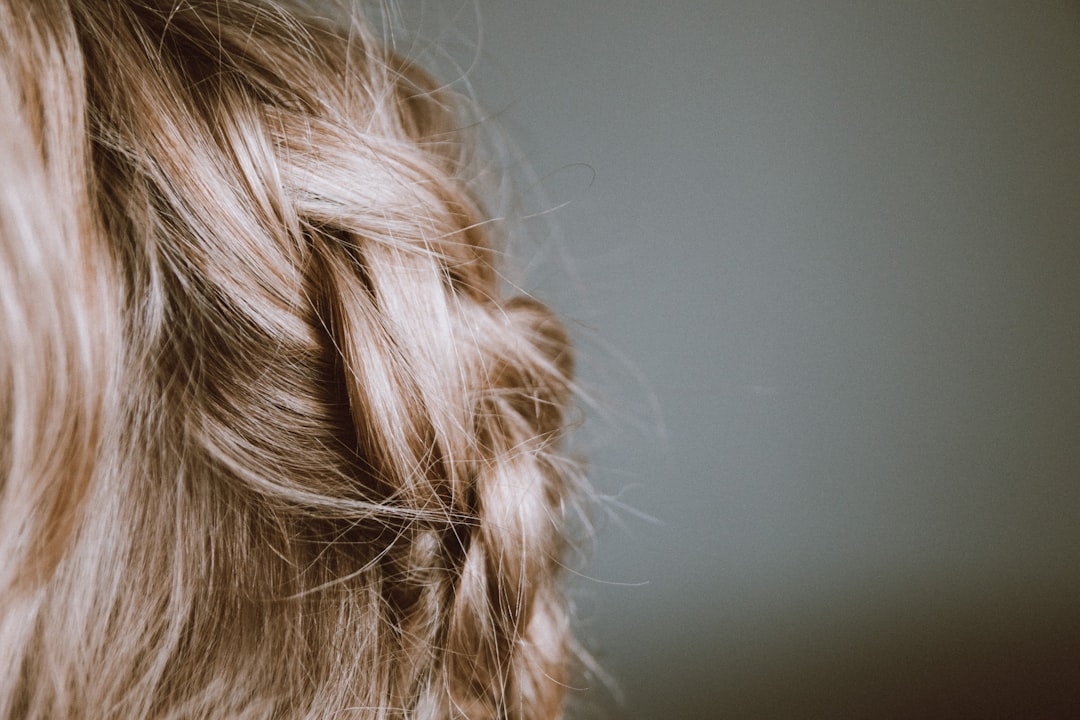
No braid emerges perfectly smooth. Keep a tiny spray bottle of diluted conditioner nearby and a bobby pin in your pocket. Smooth flyaways with the bobby pin’s flat edge, mist lightly if needed, and anchor stubborn sections with bobby pins inserted horizontally into the braid’s body.
Extending Braid Lifespan Sustainably
A well-executed braid lasts 4–7 days with minimal maintenance. Sleep on a silk pillowcase (which also reduces friction damage compared to cotton). Refresh the braid each morning by gently smoothing the strands and resecuring any loosened sections. This sustainable approach means one braid replaces multiple heat-styled days, reducing both electricity consumption and heat damage.
Adapting Braids for Different Hair Types
Fine and Straight Hair
Tight tension and textured bases work best. Section your hair carefully into genuinely equal portions. Braid tighter than your instinct suggests comfortable, but not so tight that you feel scalp strain. Day-old hair is non-negotiable; freshly washed fine hair won’t hold.
Thick and Wavy Hair
Your natural texture aids braiding substantially. You can use looser tension and still maintain secure braids. Your challenge involves managing volume; braid slightly tighter than feels natural to prevent the braid from appearing “fluffy” rather than defined.
Coarse and Curly Hair
Your hair’s natural grip makes braiding forgiving. Looser tension works beautifully here. Consider braiding damp hair rather than dry; moisture pliability helps. Your braid mighten appear less defined than on straighter hair, but this creates a romantically textured appearance rather than a flaw.
Common Mistakes Beginners Make
Starting too high on the head. Beginners often begin French braids at the very crown, leaving an unbraided ponytail effect. Begin slightly lower, at the crown’s back, for a more polished look.
Losing track of sections. Mark your sections mentally using physical landmarks (one section starts at your ear, another at your temple). This prevents confusion during the braiding sequence.
Braiding with inconsistent tension. The braid’s tightness should feel identical throughout. Early sections often feel tighter because you’re more cautious; later sections loosen because you’re developing confidence. Force consistency by consciously applying identical pressure throughout.
Attempting advanced styles before mastering basics. French braids require automatic basic braiding. Crown braids demand effortless French braids. Progress linearly rather than jumping levels.
Maintenance and Care for Braided Hair
Braids aren’t a break from hair care; they’re simply a different care approach. Daily attention takes two minutes: smooth sections, resecure as needed. Weekly, apply a lightweight oil (argan oil, jojoba oil, or coconut oil at £6–12 per bottle) to mid-lengths and ends, avoiding the scalp. Massage your scalp regularly with fingertips to stimulate circulation.
When you remove a braid, expect a tangled cluster of waves. This isn’t damage; it’s normal texture reformation. Gently detangle using a wide-toothed comb starting from the ends, working upward gradually. Don’t rush this process. Rushing causes breakage.
FAQ: Answering Your Remaining Questions
Q: How long does it take to learn how to braid your own hair properly?
Most people master basic braiding within 10–15 practice sessions (roughly two weeks of daily practice). French braids typically require an additional two weeks. Muscle memory develops through repetition, so consistency matters more than duration.
Q: Will braiding damage my hair?
Loose braids cause no damage. Tight braids—when tension creates scalp discomfort or visible redness—can contribute to traction alopecia over extended periods. Keep tension snug but never painful. If your scalp hurts, you’re braiding too tightly.
Q: Can I braid very short hair?
Yes, though the appearance differs from longer hair. Braids under 15 centimetres will appear as compact, sculptural forms rather than flowing plaits. They look intentional and charming if that’s your goal.
Q: What’s the best time to braid?
Evening, 24–48 hours after washing, with lightly textured hair. This maximises hold and minimises slippage. Morning braids work but require more effort and tighter tension.
Q: Can I braid if I have very curly or coily hair?
Absolutely. Textured hair actually grips beautifully. Braid either damp or with a light oil to smooth frizz. Your braid won’t appear as defined as on straighter hair, but the dimensional texture creates a luxurious appearance.
Moving Forward: Your Braiding Journey
Learning how to braid your own hair represents a practical skill with aesthetic, emotional, and sustainability dimensions simultaneously. You’re not simply learning finger technique; you’re gaining independence, discovering creative expression, and reducing reliance on heat styling and chemical treatments. That first successful braid you execute—smooth, secure, intentional—marks a transition from hair passivity to active engagement with your appearance.
Begin today with your basic three-strand braid. Spend five minutes. Don’t expect perfection; expect to learn. Your hands will feel awkward initially; this is learning, not failure. By your fifteenth attempt, your fingers will begin understanding the rhythm without conscious thought. By your fortieth attempt, you’ll be braiding while thinking about something else entirely. By your hundredth attempt, you’ll grasp variations instinctively and understand why regional techniques vary.
Start with your first braid this evening. Choose a time when you’re not rushing, when you have at least 10 minutes. Gather your hair, section carefully, and cross—right over centre, left over centre. Feel the texture of each strand under your fingers. Notice how tension shifts with each motion. This tactile engagement, this direct contact with your own hair, anchors confidence in ways that typing never could. Your braided hair will last days, demand only two minutes of daily maintenance, and cost absolutely nothing beyond what you already possess. That’s resilience. That’s skill. That’s power.