Contents:
- Vitamin Deficiencies That Actually Cause Hair Loss
- Iron Deficiency Anaemia
- Vitamin B12 Deficiency
- Vitamin D Deficiency
- Zinc Deficiency
- One Patient’s Transformation Story
- Why Generic Hair Loss Vitamins Often Don’t Work
- Decision Tree: Do You Actually Need Vitamins?
- Cost Comparison: Smart Spending
- Timeline: When You’ll See Results
- Sustainability and Long-Term Strategy
- FAQ: Your Vitamin and Hair Loss Questions
- Should I get blood tests before supplementing?
- Can I take all vitamins together?
- How long until I stop supplementing?
- What if supplementing doesn’t help my hair loss?
- Are prescription supplements better than over-the-counter?
Hair loss is deeply personal and often triggers anxiety before investigation. Many people blame themselves for nutritional failures without realising that pattern baldness—by far the most common cause of hair loss in adults—isn’t caused by vitamin deficiency. However, certain vitamin deficiencies absolutely cause hair loss and are reversible with supplementation. The trick is identifying whether your hair loss is nutritional, genetic, or hormonal.
Vitamin Deficiencies That Actually Cause Hair Loss
Iron Deficiency Anaemia
Iron is essential for haemoglobin, which carries oxygen to hair follicles. Anaemia directly causes telogen effluvium (shedding). Studies show women with serum ferritin below 15 ng/mL experience 2-3 times more shedding than women with adequate levels. This is particularly common in menstruating women, vegetarians, and people with gut absorption issues.
Symptoms: Excessive shedding, fatigue, weakness, pale skin, brittle nails.
Solution: Iron supplementation (ferrous sulphate 200mg daily or equivalent) reverses shedding within 2-3 months as anaemia corrects. However, never supplement iron without confirmation of deficiency—excess iron is toxic. Get a blood test (ferritin level) from your GP first. NHS typically covers iron supplements if anaemic.
Cost: £4-8 monthly if purchasing privately; free on NHS with prescription.
Vitamin B12 Deficiency
B12 is essential for red blood cells and protein synthesis. B12 deficiency causes anaemia, with identical shedding mechanisms to iron deficiency. Additionally, B12 specifically supports myelin (nerve insulation), and deficiency causes neurological symptoms alongside hair loss.
Deficiency is common in vegetarians/vegans (B12 is found primarily in animal products), people over 65 with absorption issues, and those with gastrointestinal conditions (Crohn’s, coeliac disease). Pernicious anaemia (autoimmune B12 malabsorption) affects approximately 1% of the population.
Symptoms: Excessive shedding, fatigue, numbness in extremities, cognitive changes, pale complexion.
Solution: B12 supplementation via oral supplements (1,000-2,000 mcg daily) or NHS-provided intramuscular injections if malabsorption exists. Oral supplements work for dietary deficiency; injections are necessary for malabsorption. Shedding typically improves within 2-3 months.
Cost: £8-15 monthly for oral supplements; free NHS injections if diagnosed with pernicious anaemia.
Vitamin D Deficiency
Vitamin D deficiency is nearly universal in the UK, particularly October-March. Research consistently shows vitamin D deficiency is present in 60-75% of people with various forms of alopecia. Vitamin D regulates hair follicle cycling and immune function; deficiency triggers telogen effluvium.
The UK gets minimal sunlight for much of the year. The NHS recommends 1,000 IU (25 mcg) daily from October-March, though some experts suggest 2,000-4,000 IU for optimal levels (above 50 ng/mL).
Symptoms: Increased shedding (particularly autumn/winter), fatigue, bone aches, mood changes (seasonal affective disorder).
Solution: Vitamin D3 supplementation 1,000-2,000 IU daily October-March (or year-round if you’re consistently deficient). Results appear within 2-3 months. Get a 25-OH vitamin D blood test to establish baseline; repeat after 8 weeks of supplementation to confirm adequacy.
Cost: £3-5 monthly for supplementation.
Zinc Deficiency
Zinc is involved in hair protein synthesis, immune function, and hormone regulation. Deficiency causes alopecia areata (patchy loss) and contributes to telogen effluvium. Deficiency is less common than iron or B12 deficiency in the UK but occurs in vegetarians, people with chronic diarrhoea, and those on certain medications.
Symptoms: Hair loss (patchy or diffuse), poor wound healing, immune dysfunction, loss of taste.
Solution: Zinc supplementation 15-30mg daily if deficient. However, excess zinc interferes with copper absorption, causing separate problems. Only supplement if confirmed deficient by blood test. Duration typically 2-3 months, then reassess.
Cost: £5-10 monthly if purchasing privately; likely covered on NHS if diagnosed as deficient.
One Patient’s Transformation Story
Emma, 31, experienced alarming hair shedding starting six months after becoming vegetarian. “I’d read that vegetarians need supplements, but I was eating beans and lentils, so I thought I was fine,” she recalls. Her hair loss escalated to the point she could see scalp through her part. “I started buying expensive ‘hair loss’ supplements—biotin, collagen, the works—spending £40 monthly with zero improvement.”
Her GP ordered blood tests revealing severe B12 deficiency (B12 level 180 pg/mL, with normal being 200-900) and iron deficiency (ferritin 8 ng/mL, normal being 30-100). She started B12 injections monthly and iron supplementation. Within 3 months, shedding dramatically reduced. By month 6, visible thickening appeared. “I wish I’d gotten blood tests first instead of trying random supplements. I’d have saved money and gotten actual results faster.”
Why Generic Hair Loss Vitamins Often Don’t Work
The supplement market sells “hair loss formula” vitamins costing £15-30 monthly, containing biotin, collagen, vitamins, and minerals in various combinations. These products are brilliant marketing but scientifically wasteful. Most people with adequate nutrition don’t need these blends—they’re supplementing nutrients they already have adequate levels of.
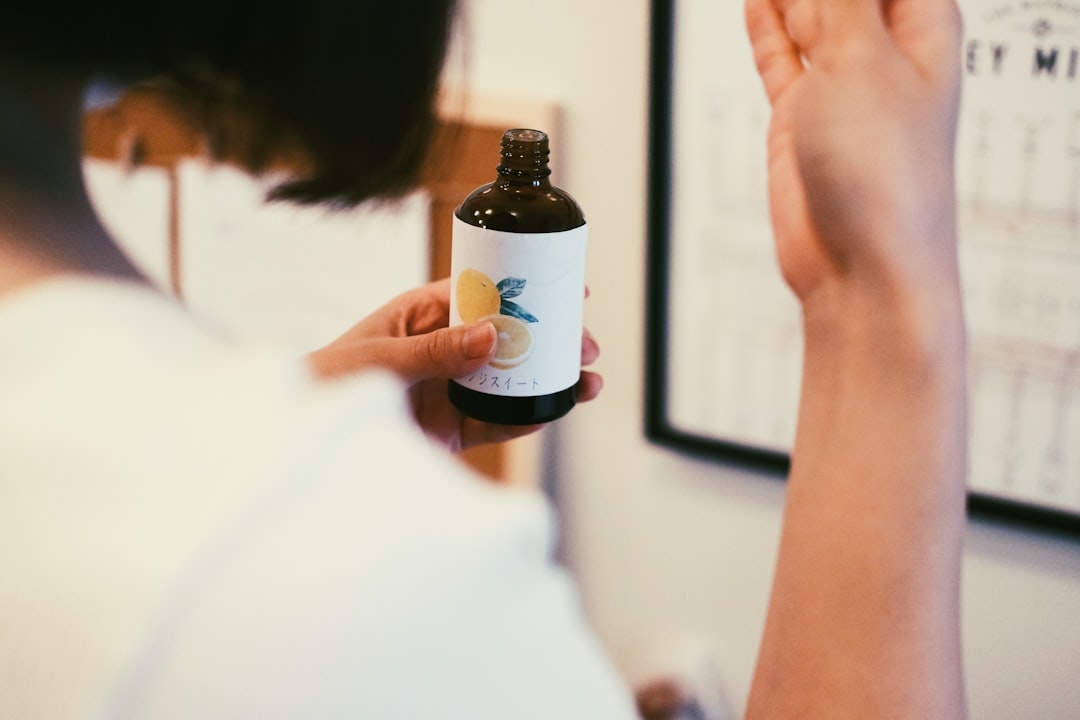
Biotin specifically: It’s essential for keratin synthesis, but biotin deficiency is extremely rare in the UK. Most people have adequate dietary biotin from eggs, nuts, and meats. Supplementing when not deficient doesn’t improve hair. Studies show biotin helps only people with documented deficiency.
The solution: Get tested. Identify actual deficiencies. Supplement specifically for those deficiencies. This targeted approach costs less and works better than shotgun supplementation.
Decision Tree: Do You Actually Need Vitamins?
Start here: Do you have symptoms of nutritional deficiency (fatigue, weakness, numbness, pale complexion) alongside hair loss?
If yes: See your GP for blood tests. Request iron (ferritin, serum iron), B12, vitamin D, and zinc levels. Treatment is straightforward if deficiency is confirmed.
If no: Your hair loss is likely pattern baldness, hormonal, or stress-related—not nutritional. Supplementing nutrients you already have adequate levels of won’t help. Consider minoxidil/finasteride for pattern baldness instead.
Additional consideration: Are you vegetarian/vegan, have chronic GI issues, or take medications affecting nutrient absorption? If yes, proactive supplementation of B12 and iron makes sense even before symptoms appear. Blood tests confirm whether you’re maintaining adequate levels.
Cost Comparison: Smart Spending
Generic “hair vitamins”: £15-30 monthly × 12 = £180-360 annually. Likely ineffective unless you have undiscovered deficiency.
Targeted supplementation after blood tests: £5-15 monthly per vitamin (iron, B12, or vitamin D) × 12 = £60-180 annually for actual deficiency. Plus GP blood tests (free on NHS).
Blood tests to establish baseline: Free on NHS through your GP. Essential before supplementing.
Timeline: When You’ll See Results
If you have a genuine nutritional deficiency causing hair loss, supplementation produces measurable results within 2-3 months as nutrient levels normalise. Most people see reduced shedding by month 2-3 and visible thickening by month 4-6. If you’re supplementing a non-existent deficiency (which is what happens with generic hair vitamins), you won’t see improvement because there’s no mechanism for improvement.
Sustainability and Long-Term Strategy
For vegetarians and vegans, ongoing B12 and iron supplementation (or regular injections) is necessary to prevent recurrence. For people with malabsorption issues, regular supplementation is lifelong. For seasonal vitamin D deficiency, supplementation October-March indefinitely is practical. The investment is worthwhile—the cost is minimal compared to the benefit of preventing recurrent hair loss.
FAQ: Your Vitamin and Hair Loss Questions
Should I get blood tests before supplementing?
Absolutely. Blood tests are free on the NHS and take 5 minutes. Testing identifies your actual nutritional status, preventing wasteful supplementation and revealing genuine deficiencies requiring treatment.
Can I take all vitamins together?
Some nutrient interactions are important. Iron and zinc compete for absorption—separate timing by 2+ hours if taking both. Calcium and iron interfere—separate by 2 hours. Vitamin D and K2 work synergistically. Your GP or pharmacist can advise on specific interactions with your medications and supplements.
How long until I stop supplementing?
Once deficiency is corrected (confirmed by repeat blood test), supplementation may continue at lower maintenance doses, or be discontinued based on your doctor’s advice. For vegans, B12 supplementation is usually permanent since plant foods don’t reliably provide it.
What if supplementing doesn’t help my hair loss?
If you’ve supplemented for 3 months and see no improvement, your hair loss isn’t nutritional. It’s likely pattern baldness, hormonal, or stress-related. Consider minoxidil (Rogaine) or finasteride (Propecia) for pattern baldness, or consult a dermatologist if hair loss pattern is unusual.
Are prescription supplements better than over-the-counter?
No. The vitamin itself is identical. Prescription supplements are typically just repackaged versions of standard supplements, sometimes with higher doses. Ask your GP whether standard supplements from supermarkets are adequate or whether prescription options are necessary for your situation.
The best vitamin for hair loss is the one addressing your actual deficiency. Before supplementing anything, get blood tests identifying what you actually need. Iron, B12, vitamin D, or zinc deficiency absolutely causes reversible hair loss. Supplementing fixes it. Generic “hair vitamins” without confirmed deficiency are expensive placebos. Test, identify, supplement specifically—this approach works and costs less.