Contents:
- Understanding Your Hair’s Natural Potential
- Hair Structure Basics
- Assessing Your Starting Point
- Semi-Permanent Curling: The Perm Alternative
- How Chemical Perms Work
- What the Pros Know
- Maintenance Requirements
- Temporary and Semi-Temporary Methods
- Heat-Based Styling Techniques
- Setting Methods: Rollers and Pin Curls
- Heatless Methods: Braiding and Twisting
- Product-Based Curl Enhancement
- Curl-Defining Creams and Gels
- Mousse for Volume and Definition
- Comparison: Curl Creams vs. Curl Gels
- Protein Treatments and Hair Care
- Protein Treatment Options
- Moisture Balance
- Reader Story: From Limp to Luscious
- Practical Tips for Maximising Curl Longevity
- Drying Technique Matters Enormously
- Sleep Routine for Curl Preservation
- Styling Product Layering
- Refresh Methods Between Washes
- Frequently Asked Questions
- How long does a perm last?
- Can I curl very fine hair without it going limp?
- What’s the difference between waves and curls?
- How often should I wash curly hair?
- Will a perm damage my hair?
- Conclusion: Your Curl Journey Starts Now
The obsession with curly hair runs deep—from Hollywood’s red carpets to the streets of London’s fashionable neighbourhoods, waves and ringlets have never been more coveted. During the Victorian era, women would spend hours winding their hair around heated irons and papillote papers to achieve that coveted curl. Today’s science-backed methods are far faster, but the desire remains unchanged: to transform straight or limp hair into bouncing, defined curls.
If you’re wondering how to make hair more curly, you’re joining millions of people reassessing their relationship with their natural texture or seeking ways to enhance what they already have. This guide covers everything from chemical treatments to styling techniques, helping you choose the right approach for your hair type and lifestyle.
Understanding Your Hair’s Natural Potential
Before pursuing any curling method, recognise that your hair has inherent characteristics determined by genetics and structure. Hair texture exists on a spectrum—from perfectly straight to tightly coiled—and each point requires different approaches.
Hair Structure Basics
Your hair’s curl pattern is determined by the shape of your hair follicle and the arrangement of protein bonds within each strand. Straight hair has round follicles; wavy hair has slightly flattened follicles; curly hair has elliptical or ribbon-like follicles. Understanding this matters because it tells you which methods will work best for your specific curl goals.
The protein bonds within your hair—particularly hydrogen bonds and disulfide bonds—hold your current hair shape. Any curling method, whether temporary or permanent, works by either temporarily disrupting hydrogen bonds or permanently breaking and reforming disulfide bonds.
Assessing Your Starting Point
Examine your hair’s natural characteristics. Look for any subtle waves when your hair air-dries without heat or product. Check how your hair responds to humidity—does it frizz slightly or remain completely flat? Does your hair hold a curl from a curling iron for an hour or just 20 minutes? These observations determine whether you need temporary styling methods or whether a semi-permanent or permanent treatment makes sense.
Semi-Permanent Curling: The Perm Alternative
A chemical perm permanently alters your hair’s structure by breaking and reforming those disulfide bonds mentioned earlier. However, modern perms are vastly different from the tight, crimpy curls your grandmother might remember.
How Chemical Perms Work
A perm involves three stages: the perm solution softens and breaks down the protein bonds; rollers or rods shape your hair into the desired curl pattern; a neutraliser then fixes those bonds in their new position. The entire process typically takes 2-3 hours at a salon.
Results depend heavily on your hair’s condition and thickness. Healthy, thick hair holds perms beautifully; fine or previously damaged hair may become frizzier or looser than intended. Expect to pay £80-£180 at a reputable UK salon, with premium salons charging up to £250 for specialised techniques.
What the Pros Know
Experienced stylists recommend the “strand test” before committing to a full perm. This involves applying the perm solution to a small, hidden section of hair to observe how your specific hair reacts. Some hair responds to perm solutions more dramatically than others. Additionally, professionals often use different rod sizes in different areas—larger rods at the crown for volume, smaller rods at the ends for definition. This creates a more natural, multidimensional curl pattern rather than uniform ringlets throughout.
Maintenance Requirements
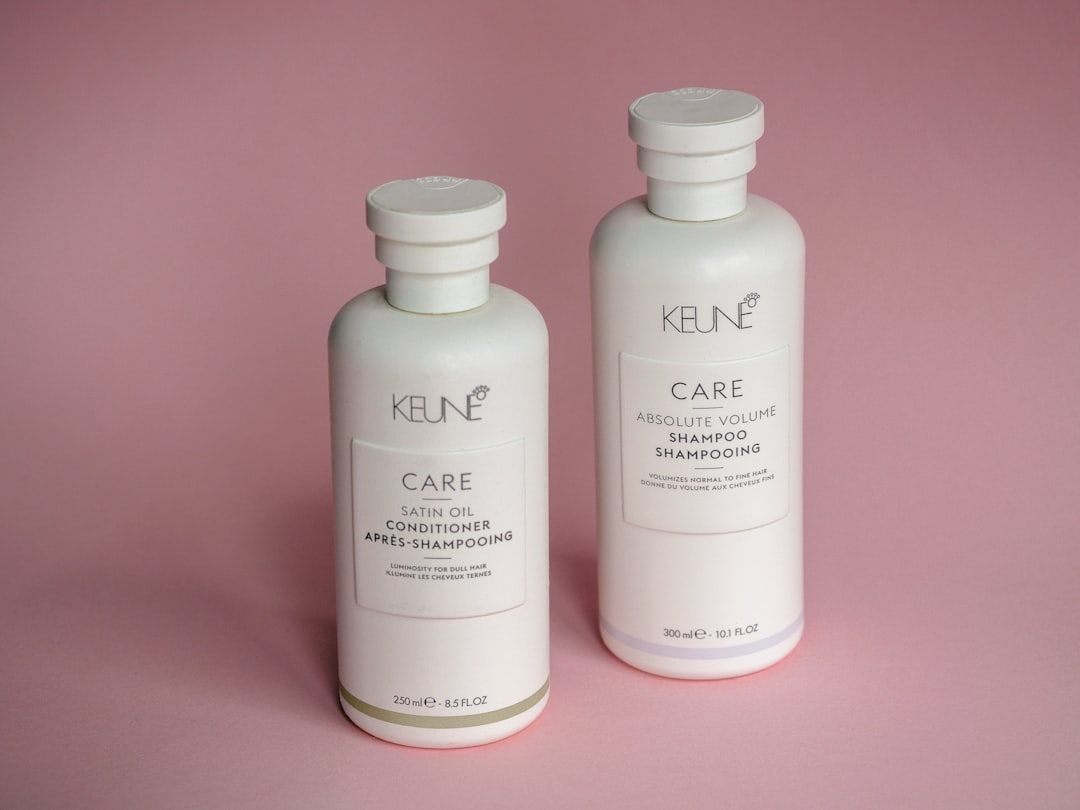
Permed hair requires dedicated care. Wash with sulphate-free, curl-specific shampoos (try brands like Cantu or SheaMoisture, available at most UK chemists for £6-£12 per bottle). Deep condition weekly—your permed hair is technically damaged hair and needs extra moisture. Expect to refresh your perm every 3-4 months as new, unpurled hair grows from your scalp, costing an additional £40-£80 per touch-up.
Temporary and Semi-Temporary Methods
Not ready to commit to a chemical perm? Several methods create beautiful curls that last days to weeks without permanent damage.
Heat-Based Styling Techniques
Curling irons and wands remain the fastest way to add curl. A 32mm barrel creates loose waves; a 19mm barrel produces tighter spirals. Titanium or ceramic barrels heat evenly, preventing hot spots that damage hair. Quality tools range from £30-£150; budget options often have inconsistent heat.
For longer-lasting results, apply curl-defining cream or mousse before styling. Twist each section around the barrel for 10-15 seconds, holding the end with the iron for an additional 5 seconds as it cools. This cooling period is crucial—it allows the hydrogen bonds to reset partially, extending curl longevity from 2-4 hours to 8-12 hours.
A straightening iron can also create curls through an alternative technique: clamp the iron around a vertical section of hair, then rotate it 360 degrees. This creates waves rather than ringlets but works brilliantly for adding texture without the obvious “curled” appearance.
Setting Methods: Rollers and Pin Curls
Wet-set techniques work by moulding damp hair into curl shapes, then allowing it to dry. Velcro rollers (available for £4-£15 per set) create volume and soft waves. For more defined curls, use traditional pin curls: wind damp hair into small coils against your scalp, secure with pins, then dry with a hood dryer or air-dry overnight.
This method works exceptionally well on naturally wavy hair—your hair already wants to bend into curves, so you’re simply directing that tendency. Fine or thin hair holds this style beautifully because you’re not using heat, which can make fine hair limp.
Heatless Methods: Braiding and Twisting
Heatless waves are enjoying tremendous popularity in 2026 as people prioritise hair health. Braid damp hair into 2-4 thick plaits, secure with elastic bands, then leave overnight. Unbraid in the morning for soft, irregular waves. The tightness of the braid determines wave definition—tight braids create sharper waves; loose braids create gentler curves.
For a modern twist, try the “pineapple method”: gather hair into a loose, high ponytail using a silk scrunchie before bed. This preserves curl from the previous day’s styling while you sleep, preventing flattening.
Product-Based Curl Enhancement
The right products can dramatically amplify your natural curl or make styled curls last significantly longer.
Curl-Defining Creams and Gels
These products work by coating your hair shaft, defining the curl pattern you’ve created and holding it in place. Creams (like Cantu Wave Whip, £8.99) are lighter and work well for waves and loose curls. Gels (like Aunt Jackie’s Don’t Burn My Hair Gel, £2.50) provide stronger hold for tighter curls but can create crunchiness if overused.
Apply to damp hair before styling, working the product through with your fingers or a wide-tooth comb. This technique, called “praying hands” application, ensures even distribution without disrupting curl formation.
Mousse for Volume and Definition
Mousse adds volume whilst defining curls—ideal if you want curls that look thicker and bouncier. Apply to damp hair at the roots, then scrunch upwards toward the ends. Dry with a diffuser attachment (a special nozzle for hair dryers, usually included or available for £15-£25) to enhance curl formation.
Comparison: Curl Creams vs. Curl Gels
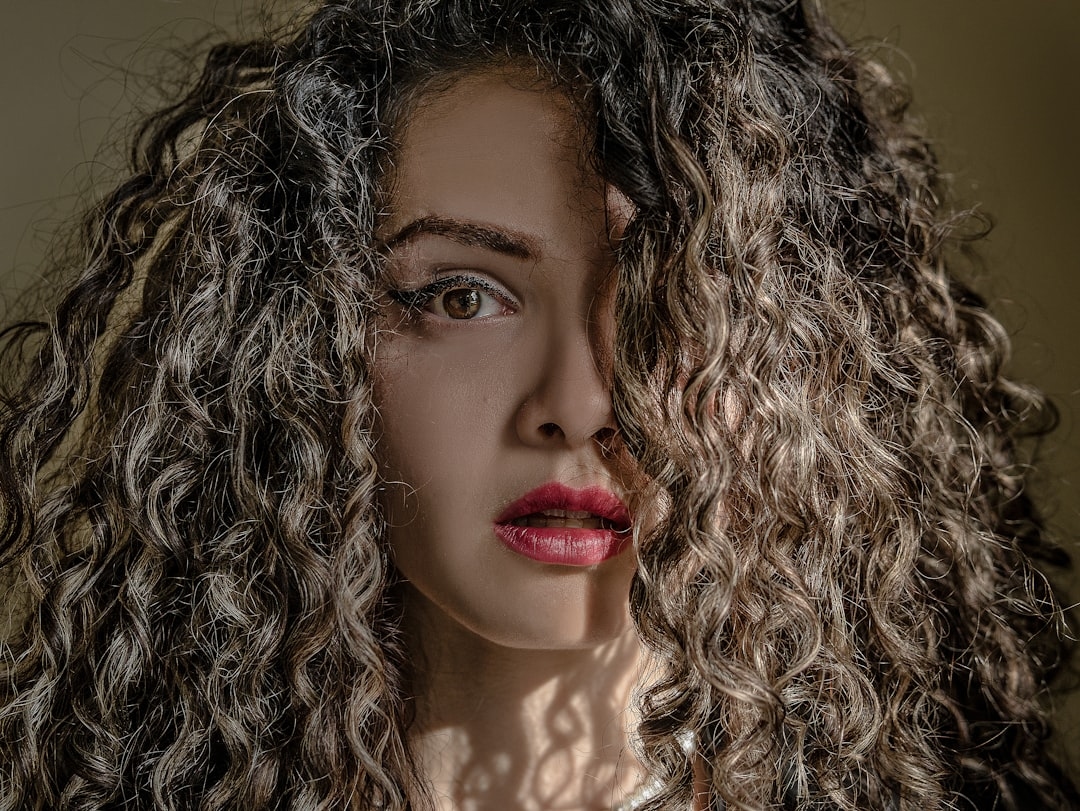
Many people confuse these products, assuming they’re interchangeable. They’re not. Curl creams contain oils and butters that define and moisturise; they’re best for loose to medium curls and leave hair soft. Curl gels contain polymers that create firm hold; they’re best for tight curls and can feel slightly stiff initially, though they soften as they dry. For waves, use cream. For ringlets, use gel. For medium curls, combine both for optimal hold and definition.
Protein Treatments and Hair Care
Curly hair requires more protein than straight hair to maintain structure and elasticity. Protein treatments strengthen the hair shaft, allowing it to hold curl better.
Protein Treatment Options
Deep protein treatments like Olaplex or K18 (£20-£60 per treatment at salons) penetrate the hair shaft, repairing damage. Use weekly initially, then monthly for maintenance. Look for hydrolysed keratin or collagen in product ingredients—these molecules are small enough to penetrate the hair shaft.
For budget-conscious alternatives, apply an egg-based treatment (mix one egg with a tablespoon of olive oil, apply to damp hair, leave 20 minutes, then shampoo) or use affordable protein-rich products like Aussie 3 Minute Miracle (£2.50), available at Boots and Superdrug nationwide.
Moisture Balance
Here’s where many curl-seekers fail: protein without moisture creates brittle, frizzy curls. Your hair needs both in balance. Follow a protein treatment with a moisture-rich conditioner. If your hair feels straw-like after a protein treatment, you’ve overused protein. Reset with 2-3 weeks of moisture-only treatments.
Reader Story: From Limp to Luscious
Sarah, a 34-year-old from Manchester, spent two decades fighting her naturally straight hair. “I’d always envied my sister’s natural curls,” she explains. “I tried everything—perms, regular blow-drying with a curling iron, even sleeping in braids. Nothing lasted more than a day.” The breakthrough came when she addressed her hair care routine rather than just styling. She switched to curl-specific products, started deep conditioning weekly, and learned proper diffuser technique. Within six weeks, her natural wave pattern became visible. Six months later, a loose perm enhanced those waves into defined curls that now last 3-4 months between touch-ups. “It wasn’t one magic technique,” Sarah notes. “It was the combination of proper hydration, protein balance, and styling methods that finally worked.”
Practical Tips for Maximising Curl Longevity
Drying Technique Matters Enormously
How you dry your hair determines how long curls last. Rough towels disrupt curl patterns; switch to microfibre towels or an old cotton t-shirt, gently scrunching rather than rubbing. Air-dry partially (until about 80% dry), then use a diffuser on low to medium heat to finish. This method takes longer but produces dramatically better results than full air-drying or full heat-drying.
Sleep Routine for Curl Preservation
Cotton pillowcases create friction that flattens curls. Switch to silk or satin pillowcases (available for £8-£20) or use a silk bonnet (£4-£12). Sleep with your curls in a pineapple ponytail (loose, high gathering) or wrapped gently with a silk scarf. Wake up with curls still intact, requiring only light refreshing rather than complete re-styling.
Styling Product Layering
Professional stylists layer products strategically: a leave-in conditioner for moisture, mousse for volume, then a light gel for hold. This combination typically lasts 2-3 times longer than any single product. Cost: approximately £20-£35 in total products, each lasting 2-3 months with regular use.
Refresh Methods Between Washes
You needn’t restyle curls daily. Spritz with a curl refresh spray (Kinky-Curly Knot Today, £12, or budget alternatives like Carol’s Daughter Black Vanilla Moisturising Mist, £8). Scrunch upwards and re-dry with a diffuser. This refreshes curls and extends your styling to 2-3 days between full washes.
Frequently Asked Questions
How long does a perm last?
A chemical perm is permanent in that it permanently changes your hair structure. However, as new hair grows from your scalp (at roughly 15cm per year), you’ll see a straight root area. Most people touch up their perm every 3-4 months. The permed section gradually becomes more relaxed (less tightly curled) over 6-8 months as styling, washing, and environmental factors weaken the reformed bonds.
Can I curl very fine hair without it going limp?
Yes, with the right approach. Avoid heavy products and heat whenever possible. Use mousse rather than cream. Try heatless methods like braiding. If using heat, use lower temperatures and shorter exposure times. Fine hair often holds curls beautifully from rollers or pin curls because you’re not weighing it down with heat.
What’s the difference between waves and curls?
Waves are loose, undulating patterns with a larger radius. Curls are tighter, more defined spirals. Waves typically fall flat within 12-24 hours; curls hold longer. A 32-40mm curling iron creates waves; a 19-25mm iron creates curls. This distinction matters for choosing styling tools and products.
How often should I wash curly hair?
Curly hair benefits from less frequent washing—typically twice weekly rather than daily. Frequent washing strips natural oils that define curls. Use sulfate-free shampoo when you do wash. Many curl enthusiasts actually “co-wash” (wash with conditioner only) on non-shampoo days, reducing dryness and frizz.
Will a perm damage my hair?
A perm does technically damage hair in that it breaks protein bonds permanently. However, this structural change doesn’t necessarily make hair unhealthy if you maintain it properly. Well-maintained permed hair can look healthier than neglected straight hair. Poorly maintained permed hair becomes dry, frizzy, and prone to breakage. Your commitment to post-perm care matters far more than the perm itself.
Conclusion: Your Curl Journey Starts Now
Deciding how to make hair more curly depends entirely on your starting point, commitment level, and desired outcome. If you have naturally wavy hair, the right styling techniques and products might reveal hidden curls you already possess. If you have straight hair and want temporary curls, heat tools and heatless methods offer flexibility without commitment. If you’re ready for long-term curl commitment, a professional perm with proper aftercare delivers reliable, low-maintenance curls for months.
Start with a consultation with a professional stylist—many offer free consultations—who can assess your hair’s condition, analyse your natural texture, and recommend specific methods and products for your circumstances. The most successful curl transformation isn’t always the most expensive method; it’s the method that matches your lifestyle and maintenance willingness.
Your curly-hair future isn’t just about one technique—it’s about combining the right styling method with the right products, the right drying technique, and the right maintenance routine. Begin where you are comfortable, whether that’s trying new products this week or booking a perm next month. Consistency and patience yield the best results, and within weeks you’ll notice your hair responding to your renewed attention and care.