Contents:
- Understanding the Fundamentals of Balayage
- The History and Evolution of Balayage Technique
- How Balayage Actually Works: The Process Explained
- Consultation and Colour Planning
- Section and Preparation
- Hand-Painting Application
- Processing and Development
- Toning and Finishing
- Key Differences: Balayage vs. Other Highlighting Techniques
- Balayage vs. Foil Highlights
- Balayage vs. Ombré and Sombré
- Balayage vs. Babylights
- Who Should Get Balayage? Suitability and Considerations
- Hair Colour Suitability
- Hair Texture Considerations
- Lifestyle and Commitment Level
- Common Mistakes to Avoid When Getting Balayage
- The Cost of Balayage in the UK Market
- Maintaining Your Balayage: Essential Tips for Longevity
- Wash and Conditioning Routine
- Deep Conditioning Treatments
- Protecting From Environmental Damage
- Heat Styling Considerations
- Balayage for Different Hair Colours and Tones
- Balayage on Brunette Hair
- Balayage on Black Hair
- Balayage on Blonde Hair
- Balayage on Red Hair
- Addressing Common Balayage Concerns
- Damage and Hair Health
- Brassy Tones and Unwanted Undertones
- Uneven Results or Regret
- Frequently Asked Questions About Balayage
- How long does a balayage appointment take?
- How often do you need balayage touch-ups?
- Can you do balayage on damaged or previously coloured hair?
- Is balayage suitable for all hair types, including very curly or textured hair?
- What’s the difference between balayage and babylights?
- Making Your Balayage Decision: Final Thoughts
You’ve scrolled through Instagram and noticed something remarkable: people with incredibly natural, sun-kissed highlights that don’t look painted-on or harsh. You’ve heard the word “balayage” whispered in salons across the UK, and you’re curious about what exactly it means and whether it’s right for your hair. The truth is, balayage has revolutionised how modern hairstylists approach colour, and understanding what is balayage hair can help you make an informed decision about your next salon visit.
Understanding the Fundamentals of Balayage
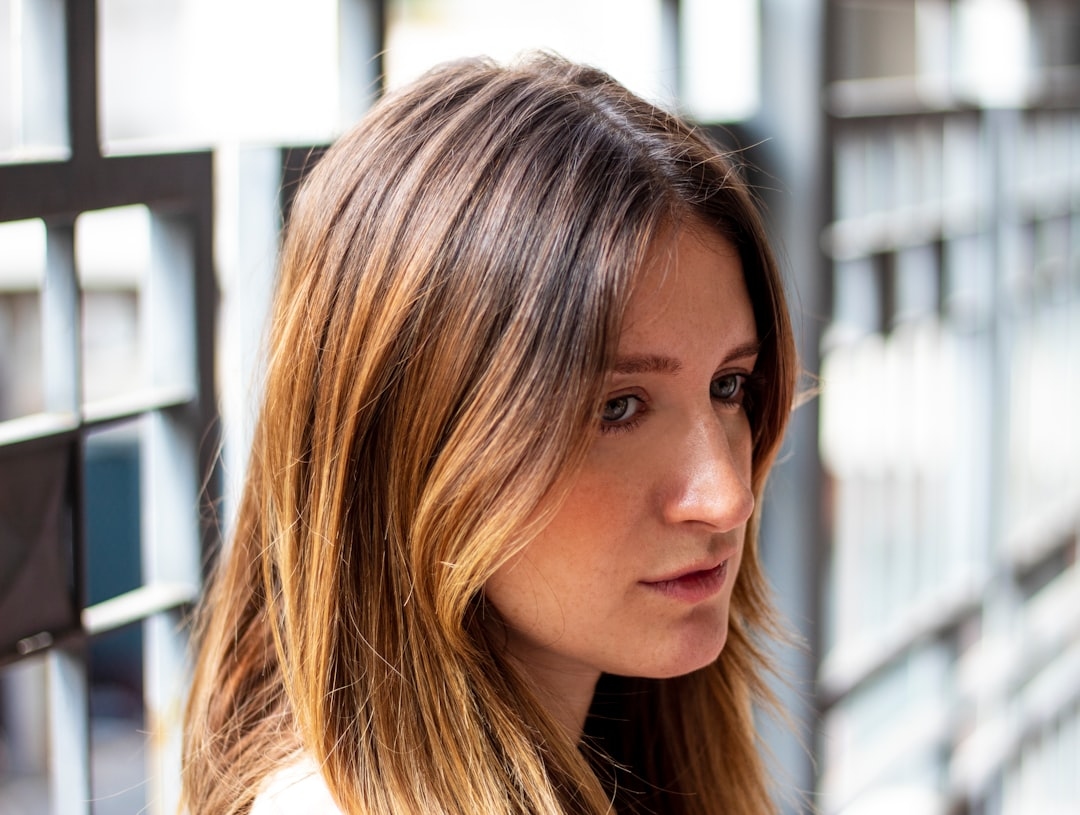
Balayage is a French colouring technique that translates literally to “sweeping” or “painting.” Rather than applying colour in uniform sections like traditional foil highlights, a balayage technician hand-paints colour onto individual strands and sections of hair, creating a more organic, piece-by-piece effect. The result? Highlights that appear naturally sun-kissed, as if you’ve spent weeks lounging on a Mediterranean beach rather than sitting in a chair for hours.
The distinction between balayage and traditional highlighting methods is crucial. With traditional foil highlights, your stylist typically divides your hair into sections and applies bleach or lightener in neat, parallel lines. Balayage abandons this systematic approach entirely. Instead, the colourist uses a freehand technique, working with the natural flow of your hair to place lighter tones where sunlight would naturally hit—typically around the face, crown, and upper layers.
Marcus Holloway, award-winning trichologist and colouring specialist at London’s renowned Kensington Hair Institute, explains: “Balayage represents a paradigm shift in how we think about colour application. It’s not just a technique; it’s about understanding how light interacts with hair structure and placing colour in a way that’s utterly bespoke to each client’s face shape and natural hair colour.”
The History and Evolution of Balayage Technique
Balayage emerged in France during the 1970s, though it remained relatively niche until the 2010s when social media made it accessible to the global consciousness. French colourists developed the technique as a rebellion against the perfectly uniform, heavily highlighted looks that dominated the 1980s and 1990s. They sought something more nuanced, more artistic, more European in sensibility.
The technique gained massive momentum around 2012-2014 when celebrities and influencers began showcasing balayage results across Instagram. By 2018, it had become the most requested highlighting technique in salons across the UK, USA, and Australia. What made balayage so revolutionary wasn’t just the aesthetic result—it was the philosophy behind it. This method prioritises harmony with your natural hair colour and undertone, rather than creating contrast for contrast’s sake.
How Balayage Actually Works: The Process Explained
Understanding what is balayage hair requires knowing how the technique is executed. Here’s the step-by-step breakdown of what happens during a typical balayage appointment:
Consultation and Colour Planning
Your appointment begins with a thorough consultation. The stylist examines your hair’s natural colour, undertone, texture, and condition. They assess your skin tone to determine which shades will complement you. This consultation typically lasts 15-20 minutes and is essential—it’s where the stylist determines the placement strategy that will work best for your specific features.
Section and Preparation
The colourist lightly sections your hair, but not into the neat quadrants you’d see with traditional highlights. Instead, they create loose guides that suggest where lighter tones will go. Your hair remains mostly unsectioned, which is partly why balayage looks so natural. The stylist applies barrier cream around your hairline and may use foils or colour-catching strips in strategic areas, though many modern balayage specialists work with minimal foils for maximum freedom.
Hand-Painting Application
This is where the artistry happens. Using a hand-painting motion (think of it as similar to applying watercolour), the colourist sweeps lightener or permanent colour onto individual strands and sections. The pressure, angle, and density of application vary continuously. Some areas receive heavier colour application; others get just a whisper of tone. The process typically takes 45 minutes to 90 minutes depending on your hair length and desired intensity.
Processing and Development
The colour processes on your hair for approximately 25-45 minutes, depending on the lightening products used and how much lift (lightening) is needed. During this time, you might enjoy a cup of tea, browse salon magazines, or relax. Modern salons in London, Manchester, and Birmingham typically offer complimentary refreshments during processing time.
Toning and Finishing
Once the lightener has developed adequately, the stylist rinses your hair thoroughly and applies a toner to neutralise any unwanted brassy or yellow tones. A deep conditioning treatment follows—essential for maintaining hair health after the lightening process. Most stylists apply a gloss or semi-permanent colour to enhance vibrancy.
Key Differences: Balayage vs. Other Highlighting Techniques
The UK hair market offers several highlighting options, and it’s worth understanding how balayage compares:
Balayage vs. Foil Highlights
Traditional foil highlights involve sectioning hair into small squares and applying colour under foil to isolate the lightening process. This creates distinct, defined streaks. Balayage produces softer, less demarcated transitions. Foil highlights typically cost £60-£120, whilst balayage ranges from £100-£250 depending on hair length and stylist experience. Balayage also grows out more gracefully because there’s no harsh regrowth line.
Balayage vs. Ombré and Sombré
Ombré features a darker root with a distinct transition to significantly lighter ends—think of a gradient effect. Sombré is a subtler version. Balayage differs fundamentally because the lightness isn’t concentrated at the ends; instead, lighter tones are scattered throughout the mid-lengths and ends in a multidimensional way. Balayage is typically more natural and less dramatic than true ombré.
Balayage vs. Babylights
Babylights use very fine foils to create micro-highlights—essentially, an extremely delicate version of traditional highlighting. While babylights are beautiful and very subtle, they’re significantly more time-intensive than balayage and cost considerably more (often £150-£300). Balayage achieves similar delicacy with a freehand approach.
Who Should Get Balayage? Suitability and Considerations
Balayage works beautifully for most hair types and colours, but certain factors determine whether it’s ideal for you:
Hair Colour Suitability
Balayage works exceptionally well on medium to dark hair (levels 4-7 on the hair colour scale). On very dark hair (levels 1-3), achieving visible lightness often requires multiple sessions spaced 2-3 weeks apart. On very light blonde hair (levels 9-10), balayage creates subtle dimension rather than dramatic contrast. Red and copper tones respond beautifully to balayage, with honey and caramel highlights creating stunning warmth.
Hair Texture Considerations
Straight hair shows balayage placement very clearly. Wavy and curly hair can beautifully display balayage, though the technique requires slightly different application angles to account for how curls sit and light hits them. Afro-textured hair benefits from balayage’s lower-commitment approach, as the technique requires less chemical processing of the entire hair mass.
Lifestyle and Commitment Level
Balayage requires maintenance every 8-12 weeks to maintain vibrancy and blend regrowth, though the regrowth is far less noticeable than with traditional highlights. You’ll need a solid hair care routine involving colour-safe shampoos and regular deep conditioning treatments. If you’re not willing to invest in proper maintenance, balayage might not be ideal.
Common Mistakes to Avoid When Getting Balayage
Even though balayage is a relatively forgiving technique, several mistakes can diminish results:
- Choosing an inexperienced stylist: Balayage’s artistry demands skill. A stylist trained primarily in traditional highlights might struggle with the freehand technique. Always check portfolios and ask specifically about balayage experience.
- Expecting instant transformation: If your natural hair is very dark, achieving noticeable lightness often requires two or three sessions. Attempting too much lightening in one session damages hair significantly.
- Neglecting consultation: Arriving at your appointment without discussing your desired result, lifestyle, and maintenance commitment leads to disappointment. Be specific about shade preferences.
- Skipping the toning step: Lightened hair requires toning to neutralise brassy tones. Skipping this leaves you with yellow or orange tones rather than the desired cool or warm blonde.
- Ignoring post-colour care: Many people get beautiful balayage then damage it through improper maintenance. Invest in colour-safe products and limit heat styling.
- Attempting DIY balayage: The freehand technique requires professional training and understanding of colour chemistry. Home attempts typically result in patchy, uneven results.
The Cost of Balayage in the UK Market
Pricing varies significantly based on location and stylist expertise. In London and other major cities, expect to pay £120-£300 for your first balayage appointment. Routine maintenance touch-ups typically cost £90-£150 and are needed every 8-12 weeks. Regional pricing outside major metropolitan areas is typically 20-30% lower. Some premium stylists command £400-£600+ for their expertise and reputation.
Whilst balayage is more expensive than basic foil highlights, many clients find it worth the investment because regrowth is less noticeable and the technique is less damaging overall. You’re paying partly for the product (lightener and toner) and partly for skilled labour.
Maintaining Your Balayage: Essential Tips for Longevity
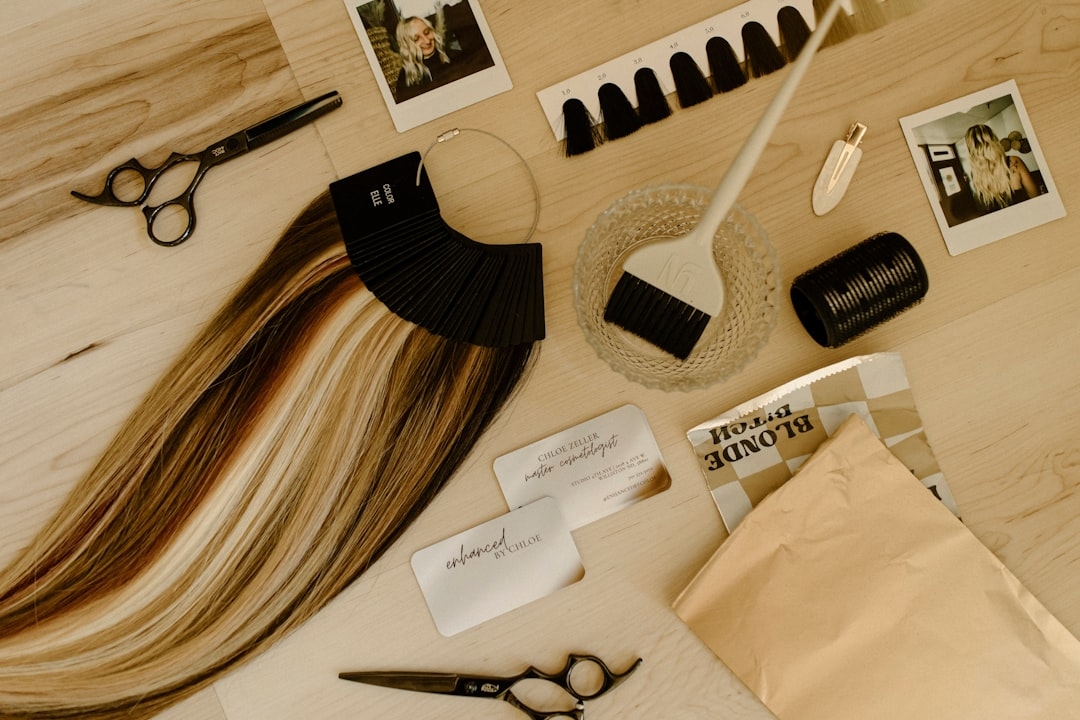
Proper maintenance determines whether your balayage remains stunning or fades into a muddy, brassy mess within weeks.
Wash and Conditioning Routine
Wash your hair in lukewarm or cool water rather than hot water, which opens the hair cuticle and releases colour molecules. Invest in colour-safe shampoo and conditioner formulated to seal the cuticle and preserve pigment. Aim to wash your hair only 2-3 times weekly; more frequent washing fades colour faster. Between washes, use dry shampoo to absorb oils and extend time before washing.
Deep Conditioning Treatments
Lightened hair is porous and requires intensive moisture. Apply a deep conditioning mask once weekly, leaving it on for 15-20 minutes. Professional salon treatments like Olaplex or K18 repair damaged bonds within the hair structure and are worth the £20-£40 investment every 6-8 weeks.
Protecting From Environmental Damage
Chlorine in swimming pools turns blonde hair green through a chemical reaction with copper compounds. Wet your hair with fresh water and apply leave-in conditioner before swimming to create a barrier. Sun exposure fades colour over time, so wear UV protection sprays or hats during extended outdoor time. Salt water (beaches) can be drying; rinse hair thoroughly after beach days.
Heat Styling Considerations
Limit heat styling to 1-2 times weekly. When you do use heat tools, always apply a heat protectant spray (applying it to damp hair rather than dry). Use lower heat settings—your coloured hair is more delicate than virgin hair. Air-drying is your balayage’s best friend.
Balayage for Different Hair Colours and Tones
Balayage on Brunette Hair
Caramel, honey, and toffee highlights create warmth and dimension on brunette bases. The contrast between the natural dark root and mid-tone to lighter ends creates movement and prevents a flat appearance. Most brunettes see noticeable results after a single appointment.
Balayage on Black Hair
Achieving visible lightness on level 1-3 hair requires multiple sessions (typically 3-4, spaced 2-3 weeks apart) to build up lightness safely without excessive damage. Cool-toned ash blonde or brassy gold tones work beautifully depending on your undertone. Many stylists recommend starting with darker rich tones (caramel, dark honey) that are easier to achieve on very dark hair.
Balayage on Blonde Hair
Pre-existing blonde hair provides an excellent canvas for balayage. Placing slightly cooler tones or richer vanilla tones throughout creates sophistication. Icy platinum highlights on a lighter blonde base create a dimensional effect without requiring much additional lightening.
Balayage on Red Hair
Red and copper tones respond beautifully to balayage. Lighter honey, caramel, or even brighter copper tones create stunning warmth and movement. Red hair typically requires less lifting time than brunette or black hair, making it ideal for balayage.
Addressing Common Balayage Concerns
Damage and Hair Health
Balayage involves chemical lightening, which inevitably creates some structural changes to the hair shaft. However, because balayage only processes portions of your hair (not the entire head like full-colour services), it’s generally less damaging than alternatives. Proper pre- and post-care minimises damage significantly. Your stylist should assess your hair’s condition before proceeding—if your hair is already compromised, they may recommend a patch test or postponing treatment.
Brassy Tones and Unwanted Undertones
Unwanted brassy or yellow tones typically mean the toning step wasn’t adequately performed or your maintenance routine isn’t preserving the tone. Colour-depositing shampoos and toners (purple for ash tones, blue for brassy ones) refresh colour between salon visits. Book a toning touch-up with your stylist if brassiness becomes noticeable.
Uneven Results or Regret
If your balayage didn’t turn out as hoped, communicate this immediately with your stylist. Most reputable salons offer free toning adjustments within a week or two of the initial appointment. Significant corrections might require another visit, though many stylists offer discounted rates for fixes needed shortly after the original service.
Frequently Asked Questions About Balayage
How long does a balayage appointment take?
A typical balayage appointment, including consultation, application, and finishing, takes 3-4 hours. This includes processing time (roughly 30-45 minutes of the total). Longer hair and more extensive lightening can extend the appointment to 4-5 hours.
How often do you need balayage touch-ups?
Most people benefit from touch-ups every 8-12 weeks. The exact timing depends on your hair growth rate (roughly half an inch per month) and how noticeable you find the regrowth. Some clients stretch appointments to 12-16 weeks if they’re comfortable with slightly softer colour at the roots.
Can you do balayage on damaged or previously coloured hair?
Yes, but with caution. Your stylist must assess the hair’s condition carefully. If your hair has been damaged by previous colour services, bleaching, or heat styling, it might need several weeks of conditioning treatments before balayage can be safely applied. A strand test is essential in these cases.
Is balayage suitable for all hair types, including very curly or textured hair?
Balayage absolutely works on all hair types, including curly, coily, and textured hair. The application technique adapts to how your hair naturally sits and how light hits curls and coils. Find a stylist with specific experience in working with your hair texture, as they’ll understand the unique considerations.
What’s the difference between balayage and babylights?
Balayage is a freehand technique that creates organic, multidimensional highlights. Babylights use very fine foils to create extremely delicate, micro-scale highlights. Balayage is typically faster and more affordable, whilst babylights offer a more controlled result and slightly more customisation but take significantly longer and cost more.
Making Your Balayage Decision: Final Thoughts
What is balayage hair, fundamentally, is a creative approach to adding dimension and light to your hair whilst maintaining a natural, effortless aesthetic. It’s a technique that prioritises harmony with your natural features, honours your hair’s health, and grows out beautifully. If you’re considering balayage, the key is finding a skilled stylist who understands colour theory, hair structure, and the specific needs of your hair type.
Start by researching stylists in your area who specialise in balayage—check their Instagram portfolios and look for results similar to what you envision. Book a consultation before committing to the full service. Come prepared with photos of styles you love and honest conversation about your lifestyle and maintenance commitment. The investment in balayage pays dividends in the form of a sophisticated, multidimensional look that feels completely natural and that you’ll genuinely enjoy maintaining. Your next chapter of gorgeous, sun-kissed hair awaits.