Contents:
- What Porosity Is My Hair and Why It Matters
- The Three Porosity Levels Explained
- Low Porosity Hair
- Medium Porosity Hair
- High Porosity Hair
- How to Test Your Hair Porosity at Home
- The Float Test
- The Feel Test
- Product Absorption Test
- Common Mistakes to Avoid
- Seasonal Adjustments Throughout 2026
- Care Recommendations by Porosity Level
- Low Porosity Hair Care
- Medium Porosity Hair Care
- High Porosity Hair Care
- Testing Again After Hair Changes
- Frequently Asked Questions
- Can I have different porosity at different areas of my head?
- Does hair colour affect porosity?
- What’s the difference between porosity and moisture?
- Should I test my hair wet or dry?
- Is low porosity hair always healthy?
- Moving Forward With Your Hair Knowledge
Hair porosity refers to your hair’s ability to absorb and retain moisture. It’s determined by how tightly your hair cuticles lie and falls into three categories: low, medium, and high porosity. You can test your hair’s porosity using a simple water float test or by observing how quickly your hair dries.
What Porosity Is My Hair and Why It Matters
Hair care routines across the UK are rarely one-size-fits-all, yet many people spend months chasing products without understanding their hair’s fundamental needs. The reason? They haven’t identified what porosity is my hair, and this single piece of information transforms how you approach everything from moisturising to heat styling.
Porosity is a structural characteristic of your hair determined by the arrangement of microscopic overlapping layers called cuticles. Think of these cuticles like roof tiles. When they sit flat and tightly together, water struggles to penetrate. When they’re raised or spaced wider apart, moisture flows in and out more readily. This property affects how your hair absorbs conditioners, colour treatments, and water itself.
Understanding your hair’s porosity level explains why certain £20 products work beautifully for your friend whilst doing nothing for you. It’s not about spending more money—it’s about matching your hair’s actual needs to your care routine.
The Three Porosity Levels Explained
Low Porosity Hair
Low porosity hair has cuticles that lay flat and close together, creating a smooth surface that repels moisture. Your hair may take 10-15 minutes to fully saturate when washed. Common characteristics include:
- Difficulty absorbing conditioner and treatment products
- Water beads off the surface rather than soaking in
- Hair feels dry to touch but looks shiny
- Colour treatments process more slowly than average
- Product buildup is common because moisture can’t penetrate
Low porosity hair benefits from lightweight, water-based products and heat application during treatments, which opens the cuticles temporarily and allows moisture penetration.
Medium Porosity Hair
Medium porosity—sometimes called normal porosity—sits between the two extremes. Your cuticles have a balanced arrangement that allows moisture in while still retaining it effectively. If this is your hair type:
- Products absorb relatively quickly without sitting on the surface
- Your hair holds moisture reasonably well without constant rehydration
- You experience fewer product-related issues overall
- Colour treatments typically process at standard recommended times
- Your hair responds well to most conventional conditioners
Medium porosity is generally considered the most manageable level, though even these individuals benefit from understanding what porosity is my hair to refine their routines seasonally.
High Porosity Hair
High porosity hair has widely spaced or damaged cuticles that absorb moisture rapidly—sometimes too rapidly. Your hair might feel wet within seconds of submersion. You’ll notice:
- Quick water absorption but equally quick drying and moisture loss
- Hair feels perpetually dry despite frequent moisturising
- Frizz is a constant challenge, especially in humidity
- Colour fades faster than in other hair types
- Products absorb so quickly they can be hard to distribute evenly
High porosity hair often develops from heat damage, chemical treatments, or simply genetic predisposition. These individuals need moisture-rich products and sealing techniques to lock water into the hair shaft.
How to Test Your Hair Porosity at Home
The Float Test
The most popular method is the water float test, which takes 2-3 minutes. Fill a glass with room-temperature water and pluck a strand of clean hair from your hairbrush (avoid the root). Drop it into the water and observe:
- Sinks immediately to the bottom: High porosity. The hair absorbs water quickly and becomes heavy.
- Floats in the middle or sinks slowly: Medium porosity. The hair has balanced moisture absorption.
- Floats on the surface or takes several minutes to sink: Low porosity. Water repels from the smooth cuticle surface.
For accuracy, test 3-5 strands and average your results, as individual variation occurs even within one head of hair.
The Feel Test
Run a strand of dry hair between your thumb and forefinger, moving from root to tip. Low porosity hair feels very smooth and slippery. Medium porosity feels slightly textured but not rough. High porosity hair feels noticeably rough or bumpy due to raised cuticles. This tactile assessment works best once you’ve felt examples of all three types, so many people find this test most useful after confirming their porosity another way.
Product Absorption Test
Apply a small amount of leave-in conditioner to a section of hair. If it sits on top and requires rubbing to distribute, you likely have low porosity hair. If it absorbs and distributes within 30 seconds, high porosity is probable. Medium porosity will distribute gradually over 1-2 minutes without effort.
Common Mistakes to Avoid
Several misconceptions about porosity lead people in wrong directions with their hair care:
- Assuming porosity is permanent: Chemical treatments, heat damage, and environmental factors can shift your hair’s porosity over time. What was medium porosity at age 20 might be high porosity at 35.
- Testing only one strand: Hair porosity varies across your scalp. Some people have low porosity at the crown and medium at the ends. Test multiple areas.
- Confusing texture with porosity: Fine, curly, coarse, and straight are texture descriptors. Porosity is entirely separate. You can have coarse, low-porosity hair or fine, high-porosity hair.
- Ignoring damage: Bleached, coloured, or heat-damaged hair artificially raises porosity. If you’ve had recent treatments, retest after 2-3 months of proper care to find your true baseline.
- Using one product for everything: Low and high porosity hair need fundamentally different product weights and formulations. What heals one type can clog the other.
Seasonal Adjustments Throughout 2026
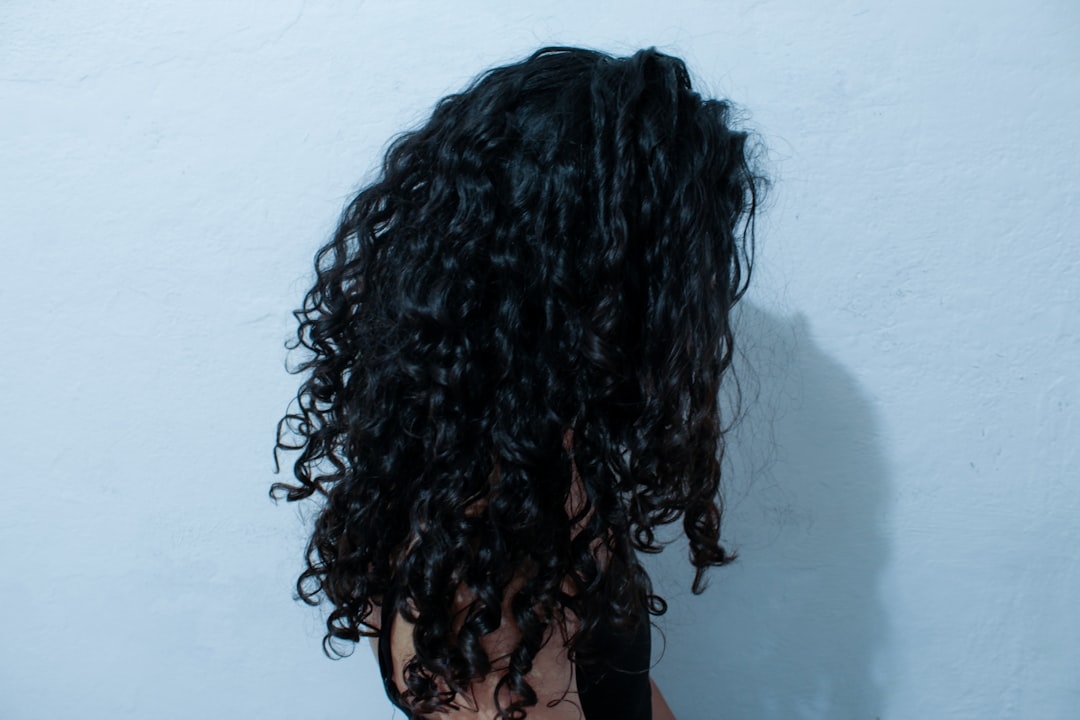
Your porosity-based routine might shift subtly with the seasons. In winter months (December through February in the UK), heating systems and cold air dehydrate all hair types. High porosity hair especially benefits from intensive weekly treatments during this period. Spring (March to May) brings humidity that can worsen frizz in high porosity hair, so lightweight, protein-rich products become more valuable. Summer heat (June to August) can temporarily raise porosity in all hair, while autumn (September to November) stabilises moisture levels again. Most people maintain their core routine based on natural porosity but adjust product intensity seasonally.
Care Recommendations by Porosity Level
Low Porosity Hair Care
Focus on creating pathways for moisture to enter. Use warm water for washing as it temporarily raises cuticles. Apply lightweight conditioners like leave-in sprays (typically £8-15) to damp hair. Incorporate heat during deep conditioning—a warm towel wrapped round your head for 10-15 minutes significantly improves absorption. Avoid heavy, creamy products that sit on the surface creating buildup. Protein treatments, used monthly, help strengthen the smooth cuticle layer.
Medium Porosity Hair Care
You have flexibility. Standard sulphate-free shampoos and mid-range conditioners work well. Aim for monthly deep conditioning treatments and quarterly protein applications. Your hair responds well to most products, so experimentation is easier. Focus on damage prevention rather than correcting absorption issues—regular trims every 6-8 weeks keep ends healthy and prevent porosity shifts.
High Porosity Hair Care
Your priority is sealing moisture in. Use leave-in conditioners (£12-20) immediately after washing while hair is still damp. Consider oils or creams as final sealers—coconut oil, argan oil, or silicone-based serums all work. Deep condition weekly using protein-rich formulas. When styling, apply products to soaking wet hair so they distribute before absorption happens. Limit heat styling when possible, as it further opens cuticles. Shorter styles often feel healthier as older, more damaged ends don’t pull moisture from newer growth.
Testing Again After Hair Changes
If you’ve had significant hair treatments—permanent colour, relaxers, perms, or extensive heat styling—retest your porosity every 3-4 months. Damage accumulates, and what porosity is my hair today might shift to higher porosity within months of damage. Similarly, if you’ve been following a consistent repair routine for 6+ months, porosity can improve, allowing you to adjust your product approach. Regular testing keeps your routine matched to your actual needs rather than assumptions.
Frequently Asked Questions
Can I have different porosity at different areas of my head?
Absolutely. Most people have slight variations. Ends are often higher porosity from age and styling. Crown hair is sometimes lower porosity due to scalp oils. Test multiple sections to identify patterns and adjust your routine accordingly—perhaps using a stronger sealant on ends whilst using lighter products at the crown.
Does hair colour affect porosity?
Not inherently, but the colouring process does. Permanent colour opens cuticles to penetrate the cortex, often leaving hair with temporarily elevated porosity. Semi-permanent colour has less impact. Over time with repeated colouring, cumulative damage raises baseline porosity. This is why previously low-porosity hair sometimes becomes medium or high after several years of colour treatment.
What’s the difference between porosity and moisture?
Porosity is your hair’s structure—its capacity to absorb and hold water. Moisture is the actual water content. High porosity hair isn’t automatically moisturised; it’s just able to take moisture in easily. Low porosity hair can be very moisturised once you get water past that sealed cuticle. The two properties are related but distinct.
Should I test my hair wet or dry?
Always use clean, dry hair for porosity testing. Wet hair’s cuticles are naturally raised, skewing results. Ideally, wash your hair, let it air-dry completely, and test a strand from 24 hours post-wash when your hair has returned to its natural state.
Is low porosity hair always healthy?
Not necessarily. Low porosity can be your natural state—completely healthy. But it can also result from product buildup, which is unhealthy. If you’ve applied the same heavy products for years without clarifying, your hair might have artificially low porosity that improves with a clarifying shampoo. Start with gentle clarification once monthly before adjusting your full routine.
Moving Forward With Your Hair Knowledge
Identifying what porosity is my hair transforms how you invest in care. You no longer chase trending products blindly. Instead, you choose items matched to your hair’s actual water-absorption capacity, which saves money and yields visible results faster. Test your porosity this week, note the result, and observe how products perform over the next 4-6 weeks when chosen specifically for your level. Most people report noticeably improved hair health within this timeframe—not from miraculous products, but from finally using the right ones for their hair’s needs.