Contents:
- Understanding Hair Knots and Why They Form
- Essential Tools and Products for Detangling
- The Wide-Toothed Comb
- Detangling Sprays and Conditioners
- Paddle or Vent Brushes
- Step-by-Step Guide to Removing Knots Safely
- Prepare Your Hair with Moisture
- Separate with Your Fingers First
- Comb from the Ends Upward
- Increase Comb Depth Gradually
- Final Smoothing Pass
- Techniques for Severe Matting and Locked Hair
- The Oil-Soak Method
- Sectioning Approach
- When to Use Scissors
- Prevention Strategies That Actually Work
- Sleep Protection
- Conditioning and Moisture
- Minimise Friction During the Day
- Regular Trims Every 8–10 Weeks
- Product Consistency Matters
- Detangling Different Hair Types
- Fine or Thin Hair
- Curly or Coily Hair
- Long or Thick Hair
- Colour-Treated or Damaged Hair
- Frequently Asked Questions
- How long does it take to remove a severe knot?
- Should I detangle wet or dry hair?
- Is it normal to lose hair whilst detangling?
- Can I use a conditioner in place of a detangling spray?
- What’s the difference between a knot and a mat?
- Moving Forward: Your Detangling Action Plan
Tangled hair can feel like a personal defeat, especially when you’ve spent time styling it or maintaining a healthy routine. The truth is, knots aren’t a sign of poor hair care—they’re a natural occurrence that affects everyone from time to time. Whether your hair has developed tight knots from overnight thrashing or you’re dealing with chronic matting, there’s a solution tailored to your hair type and situation.
Understanding Hair Knots and Why They Form
Hair knots develop when individual strands twist around each other, creating friction points that tighten over time. Your hair cuticles naturally align downward, and when they move against this grain—through friction, movement during sleep, or environmental exposure—strands catch and interlock. The longer and finer your hair, the more vulnerable it is to tangling because thinner strands have less weight to straighten themselves out naturally.
Different regions of the UK experience varying humidity levels, which directly affect how prone hair is to knotting. Coastal areas in Cornwall and the Scottish Highlands with higher moisture in the air can increase frizz and tangling, whilst drier regions like parts of the Southeast see less humidity-related matting. This matters because environmental factors should influence your detangling strategy and product choice.
Cold weather exacerbates knot formation because dry air strips moisture from the hair shaft, making strands more brittle and prone to breaking during detangling. Summer humidity, conversely, can swell the hair cuticle and create friction, leading to different types of tangling altogether.
Essential Tools and Products for Detangling
Before you start separating knots, gather the right equipment. The wrong tools can cause breakage and damage that takes months to repair.
The Wide-Toothed Comb
This is the foundation of any detangling routine. The spacing between teeth (typically 1.5–2.5mm) allows you to work through knots without catching on strands. Quality matters: wooden combs with round teeth are gentler than plastic alternatives. Expect to spend £6–12 on a durable option that will last years.
Detangling Sprays and Conditioners
Lubrication reduces friction dramatically. A good detangling spray (typically £8–15 for a 250ml bottle) contains conditioning agents and slip-enhancing silicones or natural oils. Leave-in conditioners work equally well—apply generously and wait 5–10 minutes before combing. Look for products mentioning “slip” or “anti-frizz” on the label.
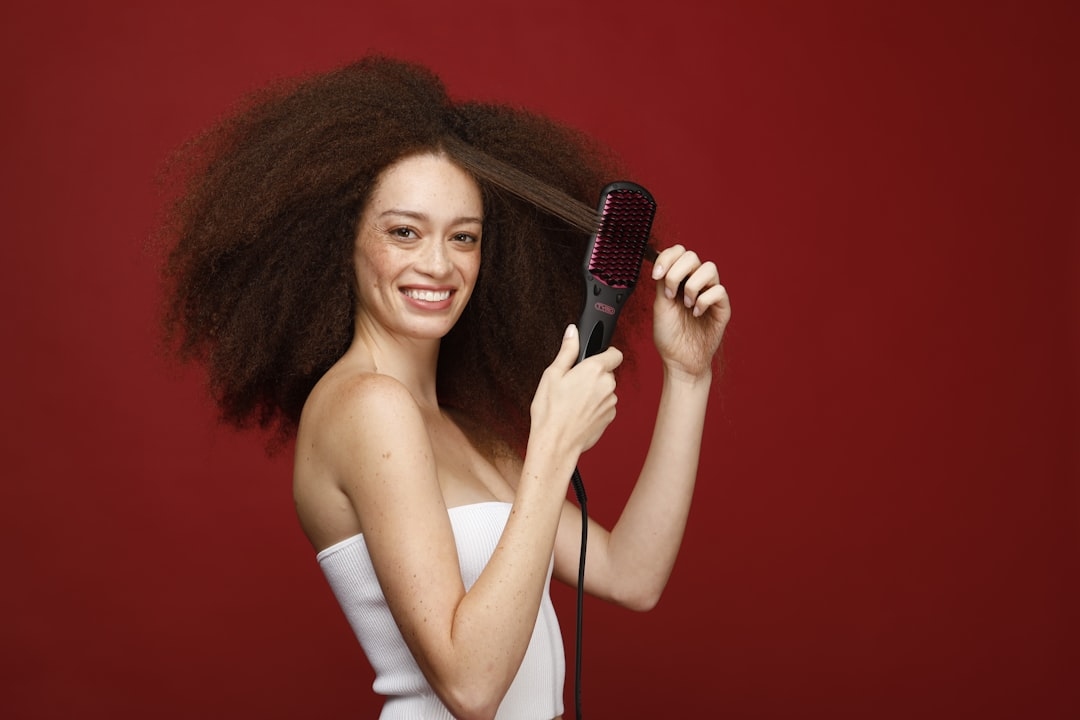
Paddle or Vent Brushes
Once you’ve loosened knots with a comb, a paddle brush helps smooth the hair shaft. Brushes with ventilation holes reduce pulling because they distribute pressure more evenly. Budget £10–18 for a quality paddle brush.
Avoid fine-toothed combs, boar bristle brushes, or brushes designed for detangling wet hair when dealing with stubborn knots—these tools are too aggressive for matted sections and will cause breakage.
Step-by-Step Guide to Removing Knots Safely
Prepare Your Hair with Moisture
Start with damp (not soaking wet) hair. Completely dry hair snaps easily during detangling, whilst water-logged hair stretches and weakens. Apply a leave-in conditioner or detangling spray to the knotted area, focusing on the tangle itself and 2–3 centimetres above and below it. Let the product soak in for at least 5 minutes—patience here prevents damage later.
Separate with Your Fingers First
This step is non-negotiable. Use your fingers to gently pull apart the outer strands of the knot, working from the edges toward the centre. Your fingers provide tactile feedback and won’t slip or catch like a comb might. Spend 2–3 minutes doing this even if it feels slow. You’ll feel the knot loosening as the outer layer separates.
Comb from the Ends Upward
Position your wide-toothed comb at the very bottom of the knotted section and make small, gentle downward strokes (in the direction hair naturally falls). Work for 30 seconds, then move the comb upward by 1–2 centimetres and repeat. Never pull the comb upward through the knot—this reverses the direction of the cuticle and causes snagging. If you encounter resistance, stop, apply more product, and wait another minute.
Increase Comb Depth Gradually
Once you’ve combed the outer portion, the teeth of your comb will penetrate slightly deeper. Continue making small strokes from the ends upward. If the knot is severe (matted or compressed), use a piece of dental floss or a fine rattail comb to pick at the knot’s core, separating individual strands. This sounds tedious because it is—but it prevents breakage better than forcing a comb through.
Final Smoothing Pass
Once the knot is fully separated, switch to your paddle brush and make long, smooth strokes from roots to ends. This redistributes natural oils and aligns the cuticle, leaving hair shiny and healthy-looking.
Techniques for Severe Matting and Locked Hair
Some knots are so tight they feel like a single matted section. Severely matted hair requires a modified approach.
The Oil-Soak Method
Coat the matted area with a lightweight oil—coconut oil, argan oil, or even affordable olive oil work well (budget £3–8 for a small bottle). Apply generously and wrap the section in a warm towel or shower cap for 15–30 minutes. The oil penetrates the knot’s core and acts as a slip agent. Afterwards, apply detangling spray on top of the oil and work through the knot with your fingers and comb. The combination of oil and slip agents is remarkably effective.
Sectioning Approach
If matting covers a large area, divide it into manageable squares (roughly 2–3 centimetres across) using hair clips. Treat each square individually, completing one before moving to the next. This prevents you from becoming frustrated and pulling too hard.
When to Use Scissors
If a knot refuses to budge after 20–30 minutes of careful work and is beginning to split the hair shaft, it’s time to consider trimming. Use sharp hair scissors (not regular craft scissors) and cut only the obviously matted portion. A small trim now prevents larger breakage later. If you’re uncomfortable doing this yourself, a hairdresser can trim knots for £10–20.
Prevention Strategies That Actually Work
Once you’ve endured the frustration of detangling, prevention becomes appealing. These strategies reduce knot formation significantly.
Sleep Protection
Hair friction against cotton pillowcases creates knots overnight. Switch to a silk or satin pillowcase (£8–20) or use a silk hair wrap or bonnet (£5–15). These surfaces reduce friction by 40–60% compared to cotton. Some people braid their hair loosely before bed, which contains movement and prevents tangling.
Conditioning and Moisture
Well-moisturised hair is more elastic and less prone to knotting. Use a deep conditioning mask once weekly (£6–12 for quality brands). Leave-in conditioner applied to the ends before bed creates a protective layer that reduces friction.
Minimise Friction During the Day
Tight hairstyles pull on the hair shaft and create tension points where knots form. Looser ponytails, buns, and braids distribute tension more evenly. Avoid touching your hair repeatedly throughout the day—this creates friction and disturbs the cuticle.
Regular Trims Every 8–10 Weeks
Damaged, split ends tangle more easily because the cuticle is compromised. A trim removes these weak points and keeps hair healthier overall. Budget £20–40 for a basic trim, or £50–80 for a skilled stylist.
Product Consistency Matters
Using products designed for your specific hair type makes a measurable difference. Lightweight conditioners work better for fine or thin hair, whilst thicker, richer conditioners suit coarse or curly textures. Mixing product types often reduces slip and increases tangling risk.
Detangling Different Hair Types
Fine or Thin Hair
Fine hair knots easily but breaks just as easily. Use only lightweight detangling sprays and never leave products in longer than 10 minutes—excess moisture weighs fine hair down and encourages tangling. Comb less frequently and use a rattail comb’s fine end rather than the full comb width. Allow hair to air-dry when possible; heat can weaken fine strands.
Curly or Coily Hair
Curly textures are prone to matting because the natural curl pattern creates friction points. Detangle only when the hair is saturated with conditioner—never on dry curls. Use a comb with wide spacing or your fingers exclusively. The “praying hands” method (pressing wet, conditioned hair between your palms and sliding downward) works wonderfully for curls. Many people with curly hair skip combing entirely and use a wide-toothed comb only on soaking-wet hair with conditioner.
Long or Thick Hair
Longer hair tangles more frequently simply due to length and weight. Thick hair is more resilient to breakage, so you can use slightly more firm pressure than with fine hair. Section thick hair into 4–8 portions using clips, then detangle each section. This prevents you from creating new knots while trying to remove existing ones.
Colour-Treated or Damaged Hair
Chemically treated hair has a compromised cuticle and knots more easily. Use extra-gentle techniques and wait longer between detangling sessions (try every 2–3 days rather than daily). Protein treatments (£8–15) help strengthen the hair shaft and reduce tangling. Apply a heat protectant spray before styling or heat-drying to prevent additional cuticle damage.
Frequently Asked Questions
How long does it take to remove a severe knot?
A small to medium knot takes 5–10 minutes with the right technique and products. Severe matting can require 30–45 minutes or multiple sessions. Patience is the key variable; rushing causes breakage that defeats the purpose.
Should I detangle wet or dry hair?
Damp hair is ideal. Completely dry hair is brittle and prone to snapping, whilst soaking wet hair stretches and weakens. Spray your knot with detangling product and let it air-dry to damp, or apply product and wait 5 minutes before combing.
Is it normal to lose hair whilst detangling?
Losing 50–100 hairs daily is normal; detangling can accelerate this slightly. However, if you’re losing clumps or more than a small handful during detangling, you’re using too much force. Slow down, use more product, and try again with lighter pressure.
Can I use a conditioner in place of a detangling spray?
Yes. A leave-in conditioner or regular rinse-out conditioner applied to damp hair provides similar slip and lubrication. Some people prefer conditioner because it’s more affordable (£3–6 for quality store brands) and doubles as a moisturising treatment.
What’s the difference between a knot and a mat?
A knot is when a few strands twist together tightly. A mat is when a larger section of hair becomes compressed and tangled, often covering an area larger than your thumb. Mats require the oil-soak method or sectioning approach and take longer to resolve. Prevention (silk pillowcases and moisture) matters more for mats than for occasional knots.
Moving Forward: Your Detangling Action Plan
The most effective detangling strategy combines the right tools, genuine patience, and appropriate products for your hair type. Invest in a quality wide-toothed comb and a leave-in conditioner or detangling spray—these two items cost under £20 together and will last months. Prevent future knots by switching to a silk pillowcase and increasing moisture in your routine.
If you’re regularly struggling with severe matting, examine your daily habits: Are you sleeping on a cotton pillowcase? Wearing tight styles? Skipping conditioner? Often a single change (like switching pillowcases or using a deep condition weekly) eliminates the problem entirely. Start with prevention and save yourself the frustration of future detangling sessions.