Contents:
- The Difference Between Rinse-Out and Leave-In Conditioner
- What Happens If You Leave Regular Conditioner On?
- Scalp Buildup and Inflammation
- Protein Overload
- The Science Behind Leave-In Conditioner
- Seasonal Considerations
- When Leave-In Conditioner Works Best
- Hair Length and Thickness
- Practical Application Guide
- Frequency Recommendations
- Leave-In vs. Deep Conditioning Treatments
- Frequently Asked Questions
- Can you leave conditioner in your hair overnight?
- Does leaving conditioner in hair cause damage?
- How often should you use leave-in conditioner?
- Will leave-in conditioner make my hair greasy?
- What’s the difference between leave-in conditioner and hair serum?
- Making the Right Choice for Your Hair
Most people believe that all conditioner must be rinsed out immediately. This misconception has led to countless rushed showers and wasted products. The reality is far more nuanced, and understanding the difference between rinse-out and leave-in formulations can transform your entire hair care routine.
The Difference Between Rinse-Out and Leave-In Conditioner
Standard conditioner and leave-in conditioner are fundamentally different products, despite their similar names. Rinse-out conditioner contains heavier oils and silicones designed to coat the hair shaft quickly, then wash away with water. Leave-in conditioner uses lighter formulations that absorb into the hair without leaving greasy residue. The molecular structure matters: leave-in versions typically contain less occlusive ingredients and more humectants that draw moisture deep into each strand.
Rachel Henderson, a certified trichologist at the London Hair Institute, explains: “Leaving regular conditioner on your hair creates a waxy buildup that suffocates the scalp and weakens the hair shaft over time. However, products specifically labelled as leave-in conditioners are engineered with different chemistry to provide benefits without damage.”
What Happens If You Leave Regular Conditioner On?
Leaving rinse-out conditioner in your hair beyond 5-10 minutes causes several problems. The heavy conditioning agents accumulate on your scalp, blocking natural sebum production and leading to greasiness within hours of washing. For those in small apartments without access to frequent washing facilities, this becomes particularly problematic—you’re trading immediate moisture for days of limp, weighed-down hair.
Scalp Buildup and Inflammation
Regular conditioner left on the scalp can irritate sensitive skin. The thick oils create an occlusive barrier that traps bacteria and sweat. Within 24 hours, you may notice itching, flaking, or even temporary redness. People with fine or thin hair experience these issues most acutely—the buildup sits more noticeably on less dense hair.
Protein Overload
Many conditioning treatments contain hydrolysed proteins. Leaving these on too long saturates the hair with protein, making it brittle and prone to breakage. You’ll notice this as increased shedding during brushing or difficulty styling. The damage compounds if you repeat this weekly.
The Science Behind Leave-In Conditioner
Leave-in conditioner formulations include ingredients like glycerin, panthenol, and lightweight silicones that work differently than rinse-out versions. These penetrate the hair cortex rather than coating the surface. The pH balance is adjusted to keep the hair cuticle sealed without requiring water rinsing to close it.
The timeline for leave-in benefits spans longer than a rinse-out treatment. While rinse-out conditioner delivers moisture in 3-10 minutes, leave-in products work over hours, with full benefits appearing after 24-48 hours as hydration distributes throughout the hair length.
Seasonal Considerations
Your climate affects how often you can benefit from leave-in conditioner:
- Winter (December-February): Indoor heating dries hair rapidly. Daily leave-in conditioner application helps counteract moisture loss. Budget approximately £8-15 monthly for a quality product.
- Spring (March-May): Humidity increases, so reduce frequency to 3-4 times weekly to avoid greasiness.
- Summer (June-August): UV exposure and chlorine require lightweight leave-in sprays rather than heavier creams. Switch to spray formulations costing £6-12 per bottle.
- Autumn (September-November): Transition back to regular leave-in use as weather cools.
When Leave-In Conditioner Works Best
Certain hair conditions absolutely benefit from leave-in treatment. Curly, coily, and textured hair thrives with leave-in products left on continuously. These hair types naturally have longer moisture pathways—the distance from scalp oils to curl ends exceeds 15 centimetres on many heads. Water alone cannot transport natural oils effectively, making leave-in conditioner essential rather than optional.
Damaged or chemically treated hair (bleached, coloured, permed) also responds excellently to leave-in conditioning. The disrupted cuticle layer needs ongoing moisture support throughout the day, not just during the shower.
Hair Length and Thickness
Short hair (under 10 centimetres) handles leave-in conditioner better than you’d expect, provided you apply sparingly. Medium-length hair (10-30 centimetres) benefits most consistently. Long hair requires careful application to the mid-lengths and ends only—never at the roots—to avoid greasiness.
Practical Application Guide
The amount matters considerably. Most people apply far too much leave-in conditioner, expecting it to perform like rinse-out versions. Start with a dime-sized amount for short hair, a 50-pence piece for medium hair, and a larger coin for long hair. Distribute it through damp hair, never applying directly to the scalp.
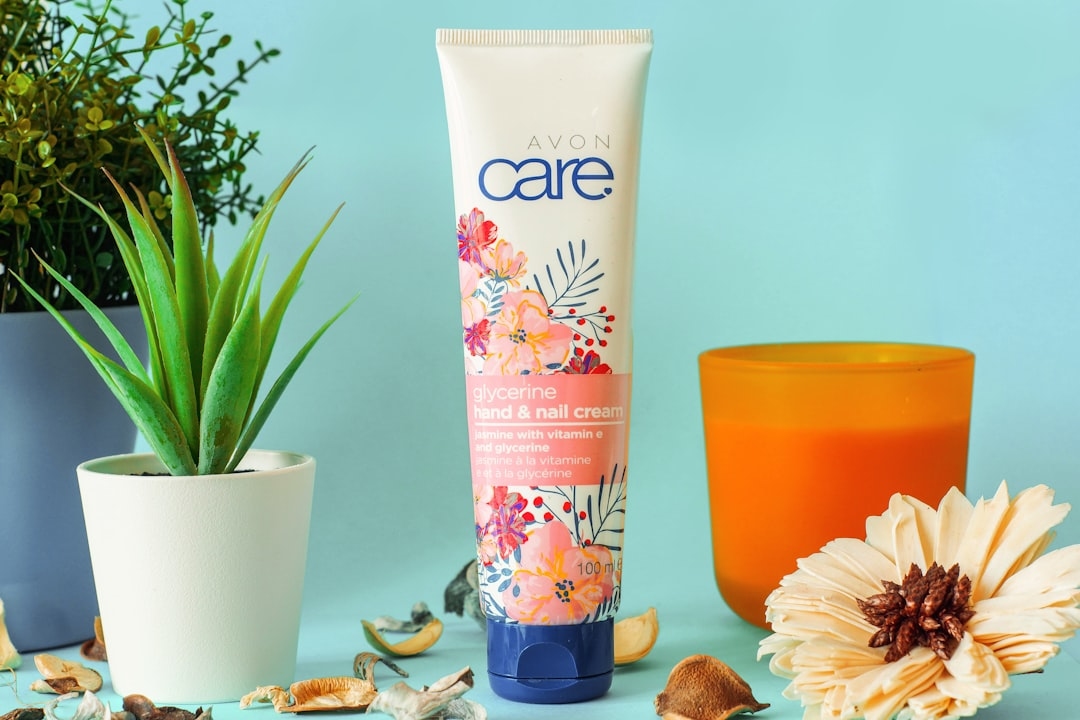
For apartment dwellers with limited storage, concentrate on 2-3 quality leave-in products rather than cluttering your bathroom. A good leave-in conditioner at £10-18 lasts 2-3 months with regular use, making the cost per application roughly 10-15 pence.
Frequency Recommendations
- Fine or thin hair: 2-3 times weekly maximum
- Normal texture: Daily or every other day as needed
- Curly or textured: Daily application recommended
- Damaged or colour-treated: Daily use beneficial
Leave-In vs. Deep Conditioning Treatments
Don’t confuse leave-in conditioner with deep conditioning treatments or hair masks. Deep conditioning sits on your hair for 10-30 minutes then washes out completely. Leave-in conditioner stays permanently until your next wash day. Deep treatments deliver concentrated moisture; leave-in provides ongoing lightweight hydration. Both have value, and many people use them together—deep conditioning once weekly, leave-in daily.
Frequently Asked Questions
Can you leave conditioner in your hair overnight?
Only with genuine leave-in conditioner products. Standard rinse-out conditioner left overnight creates excessive buildup and scalp problems. Even quality leave-in conditioner may feel sticky after 8+ hours. If you want overnight treatment, use a dedicated hair mask or sleeping treatment formulated for extended contact.
Does leaving conditioner in hair cause damage?
Rinse-out conditioner left on definitely causes damage through buildup and protein overload. Leave-in conditioner specifically formulated for extended wear causes no damage when used as directed. Damage only occurs from misuse—applying rinse-out conditioner excessively or using leave-in products on areas like the scalp where they don’t belong.
How often should you use leave-in conditioner?
Frequency depends on hair type and condition. Curly and damaged hair benefits from daily use. Fine hair needs only 2-3 applications weekly. Experiment within these ranges to find your optimal schedule—generally starting conservatively and increasing if your hair looks dull or feels dry.
Will leave-in conditioner make my hair greasy?
Proper leave-in conditioner applied in correct amounts will not cause greasiness. If your hair looks greasy, you’re either using too much product or applying it to your scalp and roots. Application to mid-lengths and ends only prevents this issue entirely.
What’s the difference between leave-in conditioner and hair serum?
Leave-in conditioner contains humectants and moisturising agents that hydrate the hair structure. Hair serum uses silicones and oils that smooth the cuticle and add shine without penetrating. Both are leave-in products, but they serve different purposes. Many people benefit from using both together—serum for smoothness, conditioner for moisture.
Making the Right Choice for Your Hair
Understanding whether you can leave conditioner in your hair comes down to product selection and application technique. Regular rinse-out conditioner should never be left on. Purpose-built leave-in conditioner offers genuine benefits when applied correctly to clean, damp hair in modest amounts. Your hair type, climate, and damage level determine how frequently you’ll benefit from this approach.
Start by identifying your specific hair needs. If you have curly hair, colour-treated lengths, or live in a dry climate, leave-in conditioner deserves a regular place in your routine. If you have short, fine, undamaged hair, occasional application suffices. Either way, always read product labels carefully—words like “leave-in,” “rinse-free,” or “no-wash” signal products designed for your hair to stay in place.
The investment pays dividends. Quality leave-in conditioner at £10-18 per bottle lasts far longer than rinse-out varieties because you use smaller amounts. Your hair will look healthier, feel softer, and require less intensive treatments long-term. That’s the real secret hairstylists have known for years: the best conditioner for your hair is the one formulated to stay there.