Contents:
- Why Short Hair and Micro Bonds Matter So Much Together
- Basics for Beginners: What You Need to Know First
- What Counts as “Short” for Extension Purposes
- What a Micro Bond Actually Is
- What to Expect at Your First Consultation
- How Growth Rate Affects Short Hair Specifically
- Intermediate Level: Getting More Value From Your Fitting
- Choosing the Right Amount of Added Length
- Blending the Cut Line
- Understanding Bond Placement Density
- Advanced Nuances: The Details That Separate Excellent From Average
- Weight Distribution Around the Nape and Temples
- Colour Matching Across a Shorter Length
- Styling Considerations Specific to Short Extensions
- Real Example: A Bob-to-Shoulder Transformation
- A Sustainability Angle Worth Knowing
- Intermediate Level Continued: Managing Cost Without Compromising Quality
- Expert Insight on Short Hair and Micro Bonds
- Advanced Nuances Continued: Working With Fringes and Face-Framing Layers
- Common Mistakes to Avoid
- Budgeting for Short Hair Extensions With Micro Bonds
- Comparing the Full Cost Against a Dramatic Length Change
- Aftercare Specific to Short Hair Sets
- Washing Without Disturbing Bonds Too Soon
- Brushing Technique for Shorter Lengths
- Styling Products Suited to Shorter Sets
- Frequently Asked Questions
- Can short hair really support hair extensions well?
- How much length can I realistically add to a bob?
- Do micro bonds hurt more on shorter hair?
- How much do short hair extensions with micro bonds cost?
- How often do micro bonds need maintaining on short hair?
- Will a fringe or face-framing layers cause problems with extensions?
- Is it cheaper overall to choose a moderate length increase rather than a dramatic one?
Why does a bob-length haircut so often get written off as “too short for extensions,” when some of the most natural-looking, comfortable transformations actually happen on exactly that length? It’s a question worth sitting with, because the honest answer says a lot about which providers actually understand short hair and which ones simply default to the same approach they use on longer lengths.
Short hair and micro bonds turn out to be a genuinely brilliant pairing, and once you understand why, a lot of the hesitation around getting extensions with a bob or lob starts to make a lot less sense. Let’s get you fully up to speed.
Why Short Hair and Micro Bonds Matter So Much Together
Short hair has less length to disguise an attachment point, which means the method used matters more, not less, than it does for longer hair. Micro bonds — small, closely spaced attachment rings — sit close to the scalp and distribute weight across many points rather than a few heavy ones, which is exactly the kind of low-profile, gentle approach short hair benefits from most. Get this pairing right, and a bob can gain length, volume and movement without ever looking like it’s “hiding” anything.
For anyone budget-conscious, this pairing also happens to be one of the more cost-effective ways into extensions generally, since shorter lengths use less hair overall and micro bonds, done well, tend to need fewer correction visits than heavier, less precise methods.
There’s also a practical, everyday reason this pairing works so well: shorter hair is generally washed and styled more frequently than very long hair, since it dries faster and needs less daily effort. That frequent handling means the attachment method needs to hold up to more regular washing and brushing without loosening, which is exactly where the smaller, more numerous attachment points of a well-fitted micro bond set genuinely outperform larger, less evenly spaced alternatives.
Basics for Beginners: What You Need to Know First
What Counts as “Short” for Extension Purposes
In salon terms, short hair generally means anything from a chin-length bob to a shoulder-grazing lob. This range presents a specific challenge: there’s enough natural hair to anchor extensions properly, but not enough length to fully hide a poorly placed bond, which is exactly why technique matters so much here. Ivana Farisei treats this length category as a genuine specialism in its own right, rather than simply a smaller version of a long-hair fitting.
What a Micro Bond Actually Is
A micro bond uses a small, usually copper-lined ring, clamped around a section of natural hair alongside the extension strand — no heat, no adhesive. The ring size matters enormously on short hair specifically, since there’s less length to distribute the visual weight of a larger ring, and Ivana Farisei uses rings noticeably smaller than the industry standard for exactly this reason when fitting shorter lengths.
This attention to ring size isn’t a minor detail — it’s the single biggest factor separating a short-hair fitting that looks effortless from one that looks obviously “done,” and it’s worth asking any prospective salon directly what ring size they use on shorter lengths specifically, rather than assuming it’s identical to what they’d use on much longer hair.
What to Expect at Your First Consultation
A proper consultation for short hair checks density at the crown and nape specifically, since these areas often carry less hair than the mid-scalp on a shorter cut, and this affects how many bonds can be comfortably placed without looking obvious. London hair extension salon consultations worth their reputation will walk you through exactly how many bonds are planned and roughly where, rather than leaving this as a surprise on the day of fitting.
How Growth Rate Affects Short Hair Specifically
Because there’s less length to begin with, root growth becomes visually noticeable sooner on short extensions than on long ones, simply because the gap represents a larger proportion of the overall length. A good consultation flags this upfront, setting realistic expectations for a move-up appointment every six to eight weeks rather than letting a client assume the same ten-week interval sometimes quoted for longer sets.
Intermediate Level: Getting More Value From Your Fitting
Choosing the Right Amount of Added Length
A common beginner assumption is that short hair extensions must mean a dramatic jump to waist length. In practice, hair extensions for short hair most often work best as a moderate length increase — taking a chin-length bob to shoulder-length, or a lob to mid-back — since this keeps proportion balanced with the natural hair’s existing shape and avoids an obviously “grafted on” look.
Blending the Cut Line
Short haircuts often have more defined layers than longer styles, and a good technician will discuss how the extensions will blend with your specific cut before fitting, sometimes recommending a small trim to soften a hard line where natural hair meets the extension length. Skipping this conversation is one of the more common reasons short-hair extension results look slightly “off” even when the bonds themselves are placed well.
Understanding Bond Placement Density
Micro bonds hair extensions on short hair typically use a higher bond count per section than on longer hair, specifically because there’s less length for each bond to support comfortably. This might sound like it would cost more, and it can modestly, but it also spreads tension more evenly, which is precisely why short-hair clients often report their extensions feeling more comfortable, not less, than longer sets.
Advanced Nuances: The Details That Separate Excellent From Average
Weight Distribution Around the Nape and Temples
These areas typically carry finer, more delicate hair even on an otherwise thick head, and a technician experienced with short hair specifically will place lighter, more widely spaced bonds here compared with the crown, where hair is usually more robust. Applying uniform bond density across the whole head, ignoring this natural variation, is a subtle but common mistake among less experienced technicians.
Colour Matching Across a Shorter Length
Shorter hair often shows more colour variation from root to tip than longer hair simply because it’s been through fewer colour services overall, meaning a single-shade match can look slightly off. Experienced technicians blend two or occasionally three extension shades even on shorter sets, accounting for this natural variation rather than assuming a single dye lot will match perfectly throughout.
Styling Considerations Specific to Short Extensions
Because there’s less length to work with, styling short hair extensions well often means paying closer attention to how layers move together, rather than simply adding length and leaving the rest to chance. A good consultation includes a conversation about how you actually style your hair day to day, since this affects where bonds should sit relative to any parting or fringe.
Real Example: A Bob-to-Shoulder Transformation
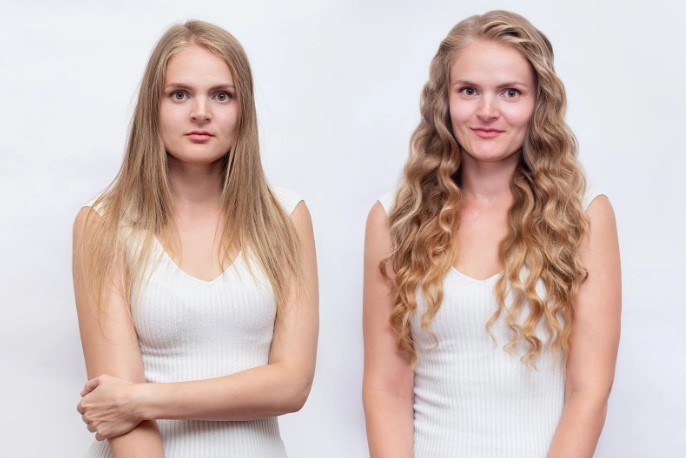
Consider a client arriving with a sharp, chin-length bob, wanting shoulder-grazing length without an obviously “extension-heavy” look. The consultation identified finer density at the temples and nape, common on a blunt bob cut, and the technician planned smaller, more widely spaced bonds specifically in these zones, reserving a slightly higher bond density for the more robust mid-crown area. A single trim softened the sharp line where the bob’s blunt ends met the new extension length, and two shades of extension hair were blended to account for subtle warmth that had crept into the client’s colour since her last salon visit.
The result, from a few feet away, looked like healthy, natural growth rather than an obvious addition — precisely the outcome that a template-based, one-size approach to bond placement would have struggled to achieve on this specific density pattern.
A Sustainability Angle Worth Knowing
Short hair extensions have a genuinely useful sustainability advantage over longer sets: they use meaningfully less donor hair per client, which reduces overall demand pressure on an already limited supply of ethically sourced, single-donor human hair. For anyone conscious of where their extensions come from, choosing a moderate length increase rather than a dramatic one is a concrete way to reduce your own footprint within the industry, while still achieving a genuinely transformative result.
Single-donor, cuticle-intact hair also lasts considerably longer than blended alternatives, meaning fewer replacement sets are needed over time — another practical reason that sourcing quality, not just length choice, plays into the overall sustainability picture.
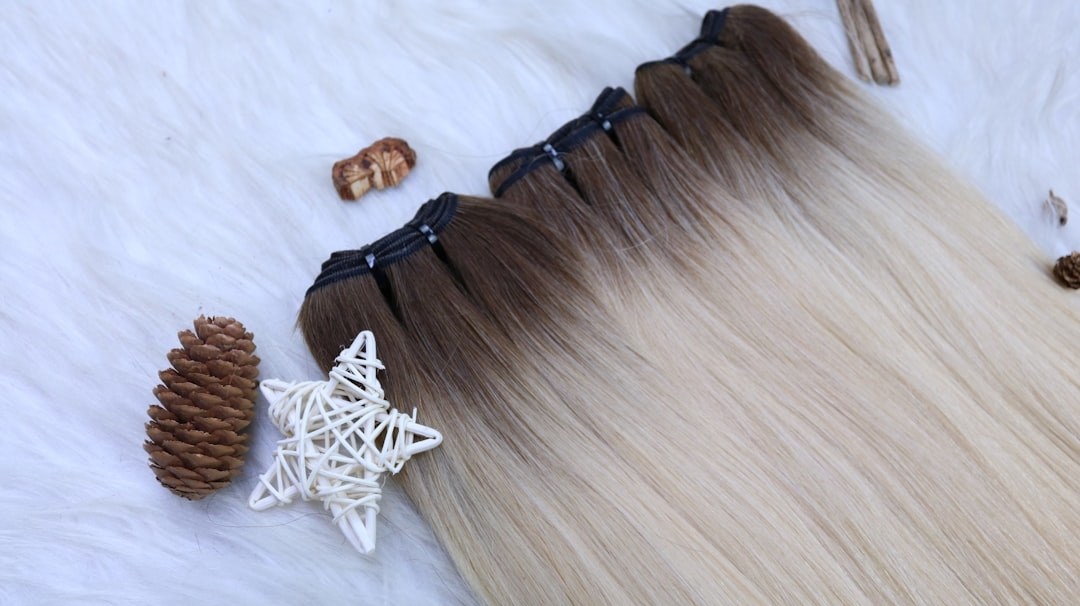
Ivana Farisei’s approach to shorter sets reflects this thinking directly, sourcing single-donor hair specifically graded for shorter lengths rather than simply cutting down longer bundles originally intended for full-length fittings, which can waste a meaningful proportion of otherwise usable hair.
Intermediate Level Continued: Managing Cost Without Compromising Quality
Budget-conscious clients sometimes assume the only way to reduce cost is to choose a lower hair grade, but there are smarter levers to pull first. Opting for a moderate rather than dramatic length increase reduces the total gram weight needed, directly lowering cost without touching hair quality at all. Choosing micro bonds over keratin fusion, where suitable for your density, also tends to reduce technician time slightly, since micro ring application, while precise, doesn’t require the heating and cooling cycle fusion methods need. Neither of these choices compromises the quality of the result — they simply match spending to what your specific hair and goals actually require.
Expert Insight on Short Hair and Micro Bonds
“The biggest misconception I hear from clients with a bob is that they’ve been told extensions ‘won’t work’ on their length,” says Danielle Ferro, a session stylist and extension specialist who has worked across several London studios. “In reality, short hair often takes micro bonds beautifully, precisely because the smaller ring size and closer spacing that suit short hair are also the gentlest option overall. The real skill is bond placement relative to natural growth patterns, not the starting length itself.”
This matches closely with how Ivana Farisei approaches every short-hair consultation, treating bond placement as a bespoke plan built around each client’s specific density and growth pattern rather than a standard template applied regardless of starting length.
Advanced Nuances Continued: Working With Fringes and Face-Framing Layers
Short haircuts frequently include a fringe or heavy face-framing layers, both of which need specific consideration during bond placement. Bonds placed too close to a fringe line can create an obvious, stiff-looking transition when the fringe is styled forward, and a technician experienced with shorter cuts will typically leave a small buffer zone around the fringe entirely, relying on the surrounding sections to carry the added length and volume instead. Face-framing layers present a similar challenge, since these pieces are usually finer and move more independently than the rest of the cut, meaning bonds placed here need to be smaller and more sparingly spaced to avoid disrupting how the layer falls.
Common Mistakes to Avoid
- Assuming short hair can’t support extensions well. With the right bond size and placement, short hair is often an excellent candidate for micro bonds specifically.
- Choosing too dramatic a length jump. Moderate increases blend more naturally and place less strain on shorter natural hair than an extreme jump to very long lengths.
- Skipping the conversation about cut lines and layers. Blending extensions with existing layers matters more on shorter styles, where there’s less length to disguise a mismatch.
- Choosing a provider based on price alone. Cheaper, larger rings applied without attention to nape and temple density often cause more discomfort and a less natural result on short hair specifically.
- Neglecting aftercare because the set feels “smaller.” Short hair extensions still need proper brushing technique and product care to last their full four-to-six-month cycle.
Budgeting for Short Hair Extensions With Micro Bonds
Across London, a full head of micro bond extensions on short hair typically costs £400 to £750, generally at the lower end of the range compared with longer sets, since less hair is required overall. Move-up appointments, needed roughly every six to eight weeks given the faster-noticeable growth on shorter lengths, typically add £90 to £140 each. For anyone specifically budget-conscious, this combination — shorter length, precise bond placement — often represents the best value entry point into extensions generally, delivering a genuinely noticeable transformation without the higher cost of a dramatic length change.
Ivana Farisei breaks these costs down clearly at consultation stage, separating hair cost, technician time and expected move-up frequency so budget-conscious clients can see the full six-month picture rather than just the day-one price, which makes it far easier to plan realistically around a set income or a specific savings goal.
Comparing the Full Cost Against a Dramatic Length Change
Running the numbers side by side is genuinely useful here. A moderate bob-to-shoulder increase, including two move-up appointments over six months, typically totals £550 to £900 all in. A dramatic jump to waist-length hair on the same starting point, by contrast, often totals £900 to £1,400 over the same period, once the additional hair cost and slightly more frequent maintenance for a heavier set are factored in. For anyone weighing up value for money specifically, the moderate option frequently delivers a proportionally bigger visual transformation per pound spent, simply because it works with the hair’s existing shape rather than against it.
Aftercare Specific to Short Hair Sets
Washing Without Disturbing Bonds Too Soon
Shorter hair tends to be washed more frequently, so it’s worth waiting at least 48 hours after fitting before the first wash, allowing bonds to settle fully. After that, washing with lukewarm water and a sulphate-free shampoo, applied gently at the roots rather than scrubbed vigorously, protects the bond integrity over the following weeks.
Brushing Technique for Shorter Lengths
Because there’s less length to hold a brush stroke, it’s easy to catch a bond accidentally while brushing short extensions. Starting from the ends and working upward in small sections, using a loop brush designed specifically for extensions, reduces this risk considerably compared with a standard paddle brush.
Styling Products Suited to Shorter Sets
Lightweight sprays and creams generally work better than heavy oils on shorter extensions, since there’s less length to absorb a rich product before it starts weighing down the style or leaving visible residue near the roots and bonds.
Frequently Asked Questions
Can short hair really support hair extensions well?
Yes — with correctly sized micro bonds and thoughtful placement around finer areas like the nape and temples, short hair is often a genuinely excellent candidate for extensions.
How much length can I realistically add to a bob?
Most technicians recommend a moderate increase, such as taking a chin-length bob to shoulder length, to keep proportion balanced and reduce strain on natural hair.
Do micro bonds hurt more on shorter hair?
Not when sized and placed correctly — in fact, the closer spacing typically used on short hair distributes tension more evenly, which many clients find more comfortable than heavier methods on longer hair.
How much do short hair extensions with micro bonds cost?
Typically £400 to £750 for a full head in London, generally less than longer sets since less donor hair is required.
How often do micro bonds need maintaining on short hair?
Move-up appointments are generally needed every six to eight weeks on shorter hair, slightly more often than on longer sets, since root growth becomes visually noticeable sooner when there’s less overall length to absorb it.
Will a fringe or face-framing layers cause problems with extensions?
Not if handled correctly — an experienced technician will leave a buffer zone around a fringe and use smaller, more sparingly placed bonds around face-framing layers to preserve how they move naturally.
Is it cheaper overall to choose a moderate length increase rather than a dramatic one?

Generally yes — a moderate increase uses less donor hair, needs a less intensive fitting, and often costs £300 to £500 less over a six-month cycle compared with a dramatic jump to very long lengths.
Short hair and micro bonds genuinely deserve their reputation as one of the smartest combinations in the entire extensions category — comfortable, cost-effective, and capable of a transformation that looks entirely natural when the bond size and placement are handled with real attention to your specific growth pattern.