Contents:
- Understanding Hair Thickness and Why It Matters
- Nutritional Foundations for Thicker Hair
- Essential Nutrients Your Hair Needs
- Hydration and Hair Health
- How to Make Hair Thicker Through Lifestyle Changes
- Managing Stress and Sleep
- Scalp Circulation and Massage
- Topical Products That Increase Hair Thickness
- Thickening Shampoos and Conditioners
- Hair Growth Serums and Scalp Treatments
- Styling Products for Instant Thickness
- Styling Techniques That Make Hair Look Thicker
- Blow-Drying for Maximum Volume
- Cutting for Thickness
- Colour and Dimension
- Common Mistakes to Avoid
- Professional Treatments to Consider
- Hair Thickening Treatments
- Scalp Treatments
- Low-Level Laser Therapy (LLLT)
- Regional Variations in Hair Care Approaches
- Budget Breakdown: Cost-Effective Thickness Strategy
- Frequently Asked Questions
- How long does it take to see thicker hair?
- Can vitamins really make hair thicker?
- Is minoxidil safe to use long-term?
- Can scalp massage alone make hair thicker?
- Why do people in certain regions seem to have thicker hair?
- Your Thicker Hair Starts Now
You’re standing in front of the mirror, running your fingers through your hair, and wishing it had more body and density. Your hairbrush slides through too easily. What once felt full now feels wispy. You’re not alone—millions of people across the UK struggle with fine, thin hair, and the good news is that you have more control over your hair’s thickness than you might think.
Hair thickness is determined by several factors: genetics, age, hormonal balance, nutrition, and how you care for your locks. While you can’t entirely change your genetic blueprint, you absolutely can maximise the thickness you have and even create the illusion of denser hair through smart product choices and styling techniques. This guide walks you through everything you need to know to transform your hair from limp to luscious.
Understanding Hair Thickness and Why It Matters
Hair thickness refers to the diameter of individual hair strands, whereas hair density describes how many strands you have per square inch of scalp. These are two different things, but they work together to create the overall appearance of full, voluminous hair. A person with naturally thick strands but low density might still feel their hair lacks fullness. Conversely, someone with fine hair and high density can achieve impressive volume with the right techniques.
The average human scalp contains between 100,000 and 150,000 hair follicles. In the UK, studies suggest that roughly one in three people over age 50 experience noticeable hair thinning. However, thinning isn’t just an age issue—stress, diet deficiencies, and certain medical conditions can trigger it at any age.
Nutritional Foundations for Thicker Hair
You cannot build thick, strong hair without the right building blocks. Hair is primarily composed of a protein called keratin, which means your diet plays a fundamental role in hair quality. Your hair also relies on specific minerals and vitamins to maintain its structure and grow properly.
Essential Nutrients Your Hair Needs
Protein: Hair follicles require amino acids to produce keratin. Aim for 50-60 grams of protein daily from sources like chicken, fish, eggs, legumes, and Greek yoghurt. A deficiency in protein directly impacts hair thickness and can lead to weaker, more fragile strands.
Iron: Iron deficiency is a common cause of hair thinning, particularly among women. The recommended daily intake is 8.4 mg for men and 8.7 mg for women (UK guidelines). Red meat, spinach, lentils, and fortified cereals are excellent sources. If you suspect an iron deficiency, ask your GP for a blood test before supplementing.
Zinc: This mineral regulates oil production on your scalp and supports hair growth cycles. The daily requirement is 11 mg for men and 8 mg for women. Shellfish, beef, pumpkin seeds, and cashews provide significant amounts. Zinc deficiency can cause shedding and hair loss.
Biotin (Vitamin B7): Biotin strengthens hair structure and may improve hair thickness over time. The adequate intake is 30 micrograms daily. Egg yolks, almonds, sweet potatoes, and salmon contain biotin naturally. Studies show that biotin supplementation can improve hair thickness in people with existing deficiencies after 90 days of consistent use.
Vitamins A, C, and E: These antioxidants protect hair follicles from damage and improve scalp health. Vitamin C enhances collagen production, which supports the hair shaft. A single orange provides your daily vitamin C requirement; sweet potatoes, carrots, and kale deliver vitamin A; and olive oil, nuts, and seeds offer vitamin E.
Hydration and Hair Health
Drinking adequate water affects hair thickness more than many people realise. Hair strands themselves are 13% water. Chronic dehydration compromises the hair shaft structure and makes strands appear thinner and more brittle. Aim for eight glasses (roughly 2 litres) of water daily, though individual needs vary based on activity level and climate.
How to Make Hair Thicker Through Lifestyle Changes
Managing Stress and Sleep
Stress triggers a condition called telogen effluvium, where large numbers of hair follicles prematurely enter the shedding phase. You won’t notice this happening during the stressful period—the hair loss appears 2-3 months later, which confuses many people who can’t connect their thinning hair to a past stressful event.
Quality sleep is equally crucial. During sleep, your body increases blood flow to the scalp and rebuilds hair proteins. Aim for 7-9 hours nightly. Poor sleep disrupts hormone levels, including those that regulate hair growth, and can accelerate thinning.
Simple stress-reduction techniques yield measurable results: a 10-minute daily meditation practice, a 30-minute walk three times weekly, or even practising deep breathing for 5 minutes before bed can reduce cortisol levels and support hair health.
Scalp Circulation and Massage
Blood flow directly impacts hair growth. A healthy scalp receives oxygen and nutrients that follicles need to produce thick, strong strands. Scalp massage increases blood circulation to hair follicles by up to 5 millimetres deeper into the scalp in just one session.
Perform a scalp massage for 5 minutes daily using your fingertips (not your nails). Apply gentle pressure in circular motions, moving across your entire scalp. You can do this dry or with an oil like jojoba or rosemary oil, which offers additional scalp-stimulating benefits. Research suggests that consistent massage over 24 weeks may improve hair thickness measurably.
Topical Products That Increase Hair Thickness
Thickening Shampoos and Conditioners
Professional thickening products coat the hair shaft with polymers and volumising agents that make each strand appear thicker. Brands like Kérastase, Olaplex, and Bumble and bumble create noticeable thickness improvements. Prices range from £18-£45 per bottle in the UK.
Look for shampoos containing panthenol, silicones, or polymers—these ingredients add body without weighing hair down. Apply shampoo primarily to the scalp, where oil buildup reduces volume. Avoid conditioning the roots; focus conditioning on mid-lengths and ends.
Hair Growth Serums and Scalp Treatments
Minoxidil (Rogaine in the UK, available over-the-counter) is the only topical ingredient clinically proven to regrow hair and increase thickness. It works by extending the growth phase of hair follicles. Results typically appear after 4-6 months of consistent twice-daily application. A three-month supply costs approximately £40-£60 in the UK.
Caffeine-based serums like those from Alpecin stimulate the scalp and may improve hair thickness over time, though results are less dramatic than minoxidil. These products cost £5-£15 per bottle and work best as a maintenance tool.
Styling Products for Instant Thickness
Volumising mousses and texturising sprays create immediate thickness by adding grip and body to hair. These products are especially valuable for people with fine, slippery hair strands. Dry shampoo, technically a powder product, absorbs scalp oils and adds significant texture and volume—it’s a quick fix before important events.
Thickening serums and leave-in conditioners seal the hair cuticle, making strands appear smoother and thicker. Apply these to damp hair before blow-drying for best results.
Styling Techniques That Make Hair Look Thicker
Blow-Drying for Maximum Volume
How you dry your hair dramatically affects its perceived thickness. Blow-drying your hair straight down adds weight and flattens strands. Instead, flip your head upside down and blow-dry the roots against their natural growth direction. This creates lift at the base, making hair appear significantly thicker throughout.
Use a blow-dryer with ionic technology—it reduces frizz and smooths the cuticle, which enhances shine and makes strands look denser. Ceramic heat distribution prevents damage that thins hair further. Invest in a quality dryer (£60-£150) rather than using a cheap one that damages hair.
Cutting for Thickness
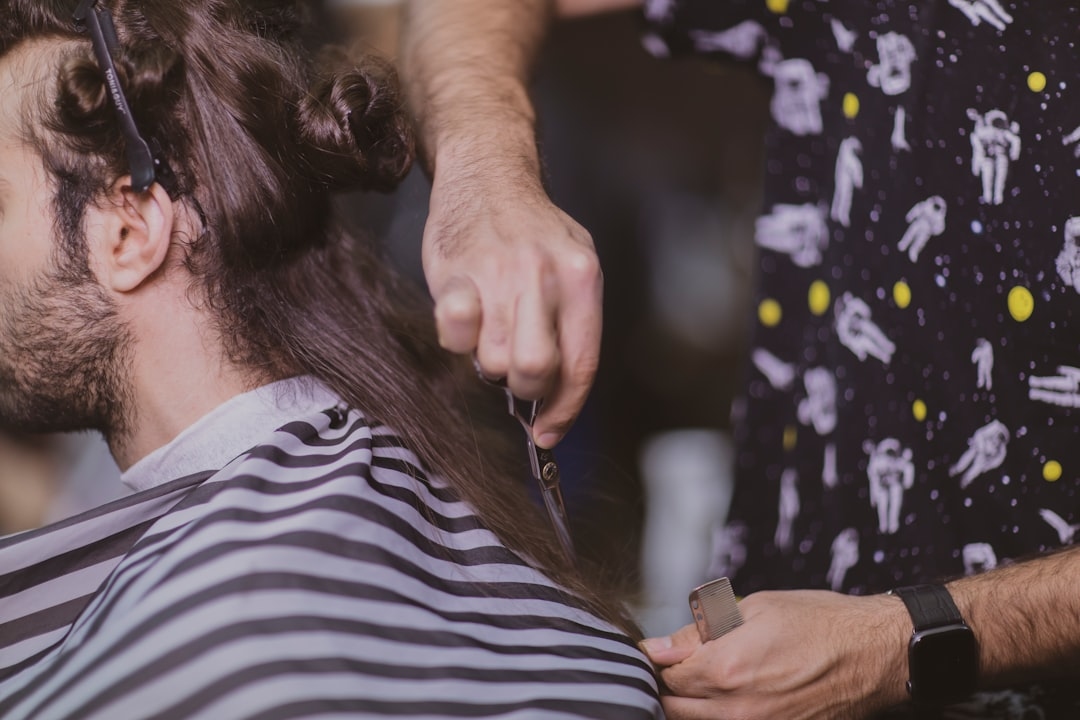
Your haircut is arguably more important than any product you use. Layers create the illusion of volume by removing weight and allowing strands to move independently. Blunt bobs trap hair together and look thinner; layered cuts separate the hair and create apparent thickness.
Ask your stylist for choppy layers that start at your ears or shoulders, depending on your hair length. Avoid heavily textured cuts—while trendy, they can make thin hair look scraggly. A good cut from a professional stylist costs £40-£80 in the UK but makes a visible difference that lasts 6-8 weeks.
Colour and Dimension
Strategic hair colouring adds visual thickness. A single dark colour can look flat and thin. Adding subtle highlights, lowlights, or dimensional colour creates the impression of more strands and depth. Balayage and money-piece highlights are particularly effective for fine hair.
Professional colouring costs £70-£150 depending on your location and the complexity of the colour work. The visual thickness gain justifies the investment for many people.
Common Mistakes to Avoid
Even when you’re doing many things right, a few key mistakes can completely undermine your efforts. Awareness of these pitfalls helps you protect the progress you’ve made.
Using too much heat: Blow-drying, flat-ironing, and curling irons damage the hair shaft, making it thinner and more prone to breaking. Limit heat styling to 2-3 times weekly, and always use a heat protectant spray first.
Overwashing: Daily shampooing strips natural scalp oils and can trigger the scalp to overproduce oil, leading to flatness. Most people benefit from washing 2-3 times weekly. Dry shampoo absorbs oils between washes.
Tight hairstyles: Consistently wearing your hair in tight buns, ponytails, or braids causes traction alopecia, where tension on follicles permanently damages them. Avoid tight styles or rotate them with looser alternatives.
Ignoring scalp health: A flaky, oily, or inflamed scalp cannot support thick hair growth. If you have dandruff or seborrheic dermatitis, treat it with appropriate products or see a dermatologist. A healthy scalp is the foundation of thick hair.
Using the wrong products for your hair type: Heavy oils and serums suited for thick, curly hair will weigh down fine, straight hair. Match your products to your hair type. Fine hair needs lightweight volumising products; thick hair needs nourishing but non-heavy formulas.
Professional Treatments to Consider
Hair Thickening Treatments
Keratin treatments coat the hair shaft and can improve thickness perception for 2-3 months. Cost: £80-£200 at salons across the UK. Results are temporary but noticeable.
Scalp Treatments
Professional scalp treatments including extractions, serums, and LED light therapy stimulate follicles and improve scalp health. A series of six treatments spaced two weeks apart costs approximately £300-£600 but produces sustained improvements in hair thickness over several months.
Low-Level Laser Therapy (LLLT)
LLLT devices emit specific wavelengths of light that stimulate follicles and extend the growth phase. Devices range from £100-£500 for at-home versions, or you can visit clinics for professional treatments at £50-£150 per session. Results take 3-6 months to become apparent.
Regional Variations in Hair Care Approaches
Hair care practices differ across the UK and Europe due to water hardness, climate, and cultural traditions. In the Northeast, harder water contains more minerals that build up on hair, potentially making it appear thinner and duller. Installing a shower filter (£20-£40) removes mineral deposits and can noticeably improve hair appearance.
The South and Southeast experience slightly warmer, more humid conditions, which can cause frizz that disguises thickness. People in these areas often benefit more from smoothing products and anti-frizz serums.
The West of England and Wales have higher humidity and softer water generally, which benefits fine hair. Residents here often find that lighter volumising products work better than heavier nourishing formulas used in drier regions.
Budget Breakdown: Cost-Effective Thickness Strategy
You don’t need to spend hundreds of pounds to achieve thicker hair. Here’s a realistic monthly budget:
- Shampoo and conditioner: £8-15/month (buy affordable brands and use less product)
- Thickening spray or dry shampoo: £5-8/month
- Nutritional supplements (if needed): £10-20/month
- Professional haircut: £50 every 6-8 weeks (roughly £10/month)
- Professional treatments (optional): £0-100/month depending on your choices
Total minimum monthly investment: £33-43
This covers the essentials. Adding professional scalp treatments or professional colouring increases costs to £80-150 monthly, but these are optional. Start with basic products and lifestyle changes, then add professional treatments if you want accelerated results.
Frequently Asked Questions
How long does it take to see thicker hair?
Lifestyle and dietary changes take 6-8 weeks to affect hair, since the hair growth cycle is slow. Topical products show results in 2-4 weeks. Prescription treatments like minoxidil require 4-6 months for noticeable thickness improvement. Professional treatments show immediate visual thickness but long-term improvements develop over 8-12 weeks.
Can vitamins really make hair thicker?
Yes, but only if you have an existing deficiency. If your diet lacks iron, zinc, or biotin, supplementation directly improves hair thickness. If your diet is already adequate, extra vitamins won’t create additional thickness. Have blood work done to identify actual deficiencies before supplementing.
Is minoxidil safe to use long-term?
Minoxidil (Rogaine) is safe for long-term use and doesn’t lose effectiveness over time. However, if you stop using it, hair will eventually return to its pre-treatment thickness within several months. It’s a maintenance treatment, not a cure.
Can scalp massage alone make hair thicker?
Scalp massage improves blood flow and scalp health, supporting better hair growth conditions. However, it’s most effective when combined with proper nutrition and appropriate products. Massage alone won’t dramatically transform thin hair into thick hair, but it’s a valuable supporting practice.
Why do people in certain regions seem to have thicker hair?
Regional differences relate to genetics, water quality, climate, and sun exposure. Softer water preserves hair shine; harder water causes buildup. UV exposure damages hair, so sunnier climates require more UV protection. Humidity affects frizz perception. These environmental factors interact with genetics—genetics remains the dominant factor, but environment matters.
Your Thicker Hair Starts Now
Making your hair thicker isn’t a matter of luck or genetics alone. You can influence your hair’s thickness through nutrition, lifestyle choices, smart product selection, and strategic styling. Start by addressing the foundations: eat enough protein and key minerals, manage stress, and massage your scalp regularly. Add thickening products suited to your specific hair type. Book a professional cut that incorporates layers. These steps combined create noticeable thickness improvement within 8-12 weeks.
The most effective approach combines multiple strategies rather than relying on any single solution. A person using minoxidil without addressing nutrition won’t see optimal results. Someone eating well but using heavy products wrong for their hair type will feel frustrated. When you layer nutritional support, appropriate products, effective styling, and professional guidance, your hair transforms.
Begin this week by choosing one change: schedule a professional haircut, start a scalp massage routine, or increase your protein intake. Next week, add another element. Small, consistent actions compound into thick, full hair that makes you feel confident and attractive. Your hair has the potential to be thicker than it is right now—give it the support it needs to reach that potential.