Contents:
- Why Short Hair Is Actually Perfect for Beach Waves
- How to Get Beach Waves Short Hair: The Main Methods
- Method 1: The Curling Iron Approach
- Method 2: The Waving Iron (Crimper)
- Method 3: The Salt Spray Method
- Method 4: Braiding and Moisture
- Common Mistakes to Avoid
- Tools and Products: What You Actually Need
- Essential Tools
- Product Recommendations and Costs
- Step-by-Step: Your First Beach Waves Styling Session
- Preparation Phase (2 minutes)
- Sectioning Phase (1 minute)
- Styling Phase (10-15 minutes)
- Texturizing Phase (2-3 minutes)
- Setting Phase (1 minute)
- Product Application Tips for Different Hair Types
- Fine or Thin Hair
- Thick or Coarse Hair
- Curly or Textured Hair
- How Long Do Beach Waves Actually Last?
- Heat Damage Prevention: Real Talk
- Frequently Asked Questions
- Can I get beach waves on very short hair (pixie cut or undercut)?
- What’s the best curling iron size for short hair?
- How often can I heat style without damaging short hair?
- Can I get beach waves on short hair without heat tools?
- What’s the difference between beach waves and regular curls?
- Moving Forward: Building Your Routine
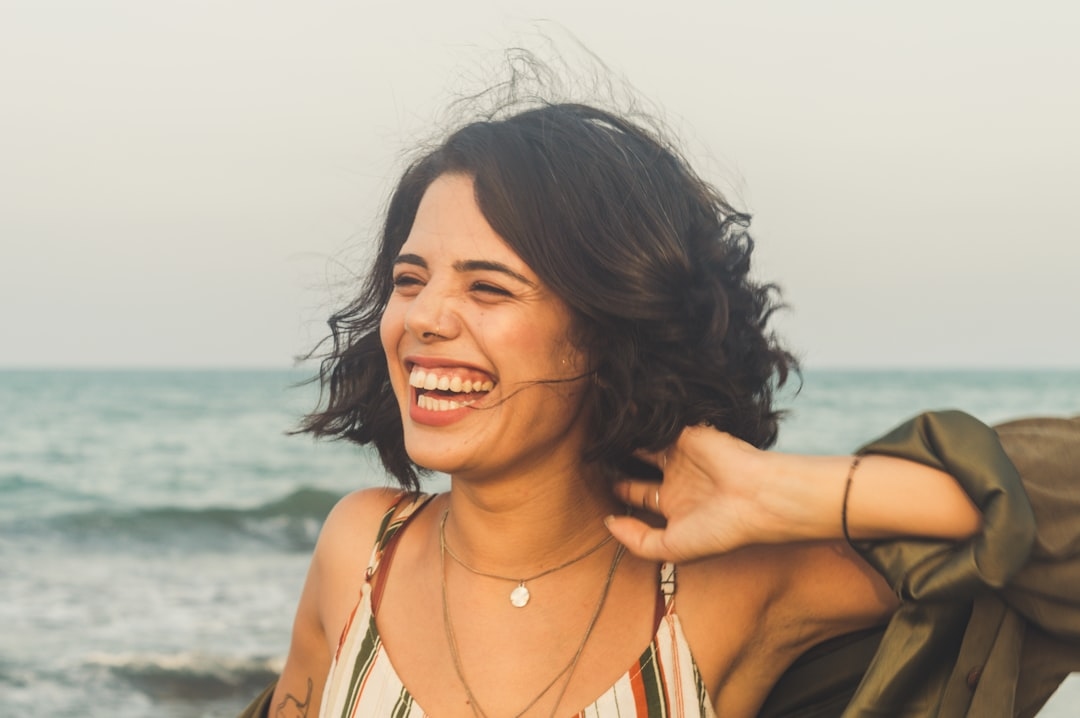
Back in the 1970s, when surfers rode California’s best breaks, something magical happened with their hair. Salt water, sun, and wind created those effortless, tousled waves that eventually became one of the most coveted hairstyles in fashion history. Fast forward to today, and beach waves remain equally desirable—but now you don’t need a surfboard or a coastline to achieve them. Short hair creates unique opportunities for this look, offering texture, movement, and a youthful edge that longer styles sometimes can’t capture quite as effectively.
Quick Answer
Beach waves on short hair are achievable through heat styling (curling irons or waving irons), salt sprays, or braiding methods. Most people see results within 5-15 minutes. The total cost to get started ranges from £20-£150 depending on whether you use products you already own or invest in professional tools. Results typically last 1-3 days with proper styling.
Why Short Hair Is Actually Perfect for Beach Waves
Short hair might seem like a limitation, but it’s genuinely a strength when creating beach waves. Shorter lengths respond faster to heat styling, require less product, and actually hold texture longer because there’s less weight pulling the waves out. A shoulder-length cut (roughly 12-15 inches) provides the sweet spot—substantial enough to create definition, but short enough to style in minutes rather than an hour.
The science here matters. Wave formation depends on moisture, heat, and tension. Shorter hair experiences less gravitational stress, meaning your waves stay bouncy rather than falling flat. Additionally, if you’ve got fine or thin hair, shorter lengths make beach waves look fuller and more voluminous because the waves sit closer together.
How to Get Beach Waves Short Hair: The Main Methods
Method 1: The Curling Iron Approach
A standard 1.25-inch barrel curling iron works brilliantly for short hair. Here’s the step-by-step process:
- Start with clean, damp hair. Apply a heat protectant spray (around £5-£8 for a decent bottle that lasts 2-3 months).
- Dry your hair roughly 80% with a blow dryer, leaving it slightly damp. This prevents damage and helps curls hold better.
- Section your hair into 4-6 sections using clips. Smaller sections create more defined waves; larger sections create looser, more relaxed waves.
- Clamp a section near the roots, wrap the ends around the barrel, and hold for 8-12 seconds.
- Release and allow the curl to cool for a moment before moving to the next section.
- Once all sections are curled, gently run your fingers through the waves to break them up slightly and create that textured, undone look.
- Finish with a light hairspray (£4-£7) to set everything.
Total time: 10-15 minutes. This method works best on straight or slightly wavy hair and creates the most defined waves.
Method 2: The Waving Iron (Crimper)
Waving irons create a different texture—tighter, more uniform waves that some people prefer for short hair because they’re quicker. Brands like GHD, Dyson, and Cloud Nine offer professional options ranging from £40-£150. Budget alternatives exist for £15-£30 and work surprisingly well for occasional use.
The process is straightforward: clamp small sections and glide down from root to tip in one smooth motion. The wave pattern appears instantly. This method is faster than curling iron styling and particularly effective if you have naturally straight hair that resists holding curl.
Method 3: The Salt Spray Method
For a more relaxed, genuinely beachy texture (as opposed to glamorous waves), sea salt spray is your friend. Popular options include Bumble and bumble Surf Spray (£24) and Tigi Bed Head Salt Spray (£6-£8). The budget-friendly versions work just as well for texture creation.
Apply to damp hair, scrunch, and either air dry or blow dry with your fingers for movement. This creates a more organic wave pattern and requires zero heat tools, making it perfect for days when you’re protecting your hair from heat damage. The downside: results are less dramatic and less long-lasting, typically holding 1-2 days maximum.
Method 4: Braiding and Moisture
If you’re willing to plan ahead, this method requires almost no products. Braid damp hair into 2-4 braids before bed, leave them in overnight, and unbraid in the morning. Results are gentler on hair and completely free (beyond any water). The waves tend to be loose and soft rather than structured, suiting those who prefer an understated approach.
For short hair, this works best if you use 3-4 thicker braids rather than many thin ones, which can create frizz rather than waves.
Common Mistakes to Avoid
Learning curve is real. Here are the pitfalls that waste time and damage hair:
- Using too much product upfront. One palm-full of heat protectant is enough. More product weighs down short hair, making waves fall flat quickly.
- Not sectioning properly. Random styling creates uneven results. Use clips and work methodically.
- Holding the curling iron too long. 8-12 seconds is the target; longer than 15 seconds risks damage and overly crispy waves.
- Styling completely dry hair. Slightly damp hair holds waves longer than bone-dry styling.
- Curling the same direction every time. Alternate which direction you curl sections for a more natural, less uniformly “done” appearance.
- Skipping the cool-down. Letting curls cool before touching them makes them set properly. Rough-handling warm curls breaks them apart prematurely.
Tools and Products: What You Actually Need
Essential Tools
A curling iron is the most versatile tool for short hair beach waves. Barrel sizes matter: 1.25 inches for defined waves, 1.5 inches for looser waves. Quality brands lasting 5+ years include GHD Curve (£119), Dyson Corrale (£299), and Remington Pro (£35-£50). Budget options like Revlon One-Step (£25) deliver decent results for occasional styling.
A blow dryer with a concentrator nozzle (£15-£80 depending on brand) helps direct airflow and speeds up the process.
Product Recommendations and Costs
You don’t need dozens of products. Focus on these essentials:
- Heat protectant spray: £5-£12. Applies before heat styling. Brands: TRESemmé, Pantene, or salon brands.
- Texture spray or sea salt spray: £4-£25. Optional if you prefer a gentler approach or want to enhance waves after styling.
- Hairspray (light hold): £4-£8. Keeps waves in place throughout the day without looking crunchy.
- Deep conditioning treatment: £6-£20 monthly. Short hair needs less, but heat styling means regular conditioning prevents damage.
Total cost for a basic setup: approximately £20-£50 if buying budget brands, or £60-£150 for premium options. One set of products lasts 2-4 months with regular use.
Step-by-Step: Your First Beach Waves Styling Session
Let’s walk through a complete styling routine from start to finish:
Preparation Phase (2 minutes)
Shampoo with a lightweight shampoo (heavy formulas weigh down short hair). Condition only the ends. While hair is still damp, apply heat protectant spray evenly. Use a blow dryer to remove excess moisture until hair is about 70-80% dry—still slightly damp to the touch but not dripping.
Sectioning Phase (1 minute)
Divide hair into sections. For short hair, 4-6 sections works well. Use clips to separate them. Start at the back and work forward, which allows you to see what you’re doing in the mirror.
Styling Phase (10-15 minutes)
Set your curling iron to 350-400°F (175-200°C). Higher temperatures aren’t necessary and increase damage risk. Working section by section, clamp the curling iron near the roots, wrap hair around the barrel away from your face, and hold for 8-12 seconds. Release slowly and let the curl cool before moving to the next section. Curl alternating sections away from the face, then toward the face, for a natural look.
Texturizing Phase (2-3 minutes)
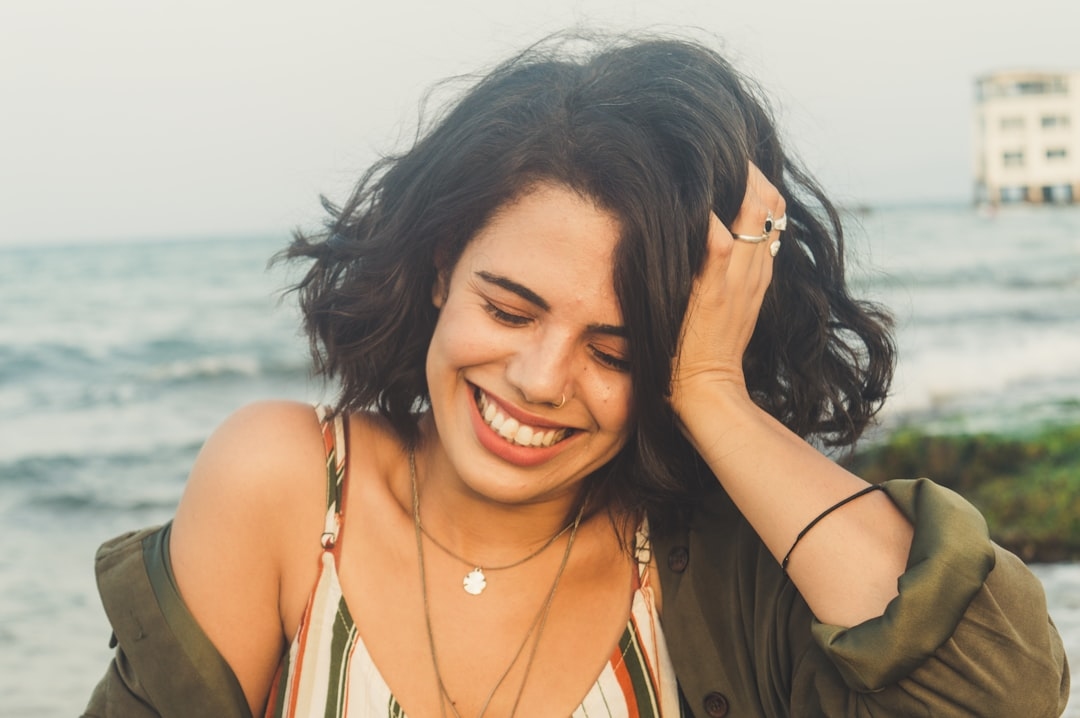
Once all sections are curled and cooled, use your fingers to gently break apart the curls. Run your fingers through the waves, working from roots to ends. This transforms perfect ringlets into the effortless, undone beach wave texture everyone wants. For extra texture, try a dry shampoo or sea salt spray here.
Setting Phase (1 minute)
Finish with a light hairspray, holding the bottle 12 inches away and misting rather than spraying directly. This sets everything without creating a stiff, unnatural appearance.
Product Application Tips for Different Hair Types
Fine or Thin Hair
Use less product overall. Skip the deep conditioning before styling (it makes waves fall faster). A volumizing mousse applied to damp roots before blow-drying adds foundation. Smaller curling iron barrels (1-1.25 inches) create more noticeable waves since less hair is involved.
Thick or Coarse Hair
You can use slightly more product and benefit from a deeper conditioning treatment beforehand. A larger barrel (1.5 inches) works better because it doesn’t get overwhelmed by thick strands. Consider a stronger hold hairspray since density makes waves want to fall.
Curly or Textured Hair
You might not need a curling iron at all—you already have texture. Instead, focus on enhancing and defining your natural waves with sea salt spray and light scrunching. If you do use heat tools, lower temperatures (325-350°F) prevent frizz and damage to already-delicate texture.
How Long Do Beach Waves Actually Last?
Properly styled beach waves on short hair typically last 1-3 days, depending on several factors. Humidity, moisture in your hair, and your personal hair texture all play roles. Sleeping on waves will flatten them somewhat, but they usually bounce back with a quick curl or texturing spray the next morning. By day three, refreshing with sea salt spray and air-drying usually works, saving you time on day four.
To extend longevity, sleep on a silk pillowcase (£8-£20) rather than cotton, which creates friction and flattens waves faster. A silk pillowcase also reduces frizz and overall hair damage.
Heat Damage Prevention: Real Talk
Regular heat styling does risk damage if you skip protection. Use a heat protectant spray every single time—this is non-negotiable. Keep temperatures moderate (350-400°F is plenty hot enough for waves). Don’t style your hair more than 3-4 days per week on average; alternate with no-heat days using the braiding or salt spray methods. Every 4-6 weeks, do a deep conditioning treatment or consider a salon treatment like olaplex or keratin (£20-£60) to restore moisture.
Short hair actually recovers faster from heat damage than long hair, and regular trims every 6-8 weeks remove any damaged ends before they cause real problems.
Frequently Asked Questions
Can I get beach waves on very short hair (pixie cut or undercut)?
Beach waves require at least 2-3 inches of length to be visible. Pixie cuts and undercuts can create subtle texture and movement, but won’t produce the wavy pattern most people mean by “beach waves.” If you love your short cut, focus on texture sprays and styling products that add dimension rather than heat-styled waves.
What’s the best curling iron size for short hair?
A 1.25-inch barrel is the most versatile for short hair, creating defined, modern waves. If you prefer looser waves, try 1.5 inches. Anything larger than 1.75 inches generally requires longer hair to create proper wave patterns.
How often can I heat style without damaging short hair?
3-4 times per week is sustainable long-term without noticeable damage, assuming you use a heat protectant spray each time. Short hair grows out faster than long hair, making regular trims (every 6-8 weeks) essential for maintaining healthy ends.
Can I get beach waves on short hair without heat tools?
Yes. Overnight braiding, sea salt spray with air drying, and even setting lotion plus blow-drying with fingers all create waves without heat. Results tend to be looser and less defined than heat-styled waves, but they work and damage far fewer hairs. This approach suits those with naturally textured hair or who prefer a relaxed, undone aesthetic.
What’s the difference between beach waves and regular curls?
Beach waves have an undone, organic appearance with varying wave sizes and softness. Regular curls are typically more uniform and defined. To transform curls into beach waves, use your fingers to break them apart after styling and apply texturizing spray. The goal is to lose the “perfectly curled” look and gain the “I just came from the beach” look.
Moving Forward: Building Your Routine
Start with one method—probably the curling iron if you’re new to this—and practice it twice before expecting perfect results. Your hands need to learn the motion, and your hair needs to adjust to the styling. By attempt three or four, muscle memory kicks in and the whole process becomes faster and smoother.
Invest in a quality heat protectant spray first, then add a curling iron if you don’t have one. Everything else is optional until you figure out what you genuinely like. Some people go months using just a £4 sea salt spray and air drying because it suits their lifestyle. Others commit to daily heat styling because they love the polished look. Neither approach is wrong—match your technique to your actual habits and preferences, not to what Instagram suggests you should want.
Beach waves on short hair aren’t complicated, but they do require consistency and a bit of technique. Once you’ve got the basics down, you’ll spend less time and product than you would managing waves on longer hair, and you’ll have more styling flexibility. That’s the real advantage of short hair—maximum impact with minimum effort.